Amidst scandalous allegations of massive Medicaid fraud, Minnesota’s Governor faces mounting pressure from Republicans demanding accountability and resignations.
Story Highlights
- Federal prosecutors allege $9 billion in Medicaid fraud in Minnesota since 2018.
- Republicans demand Governor Tim Walz’s resignation over oversight failures.
- Governor Walz disputes the fraud figures, citing anti-fraud measures.
Minnesota’s Massive Medicaid Fraud Scandal Unveiled
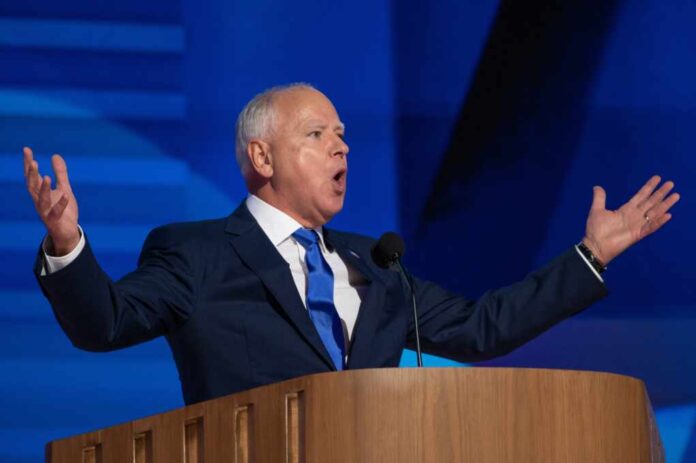
Federal prosecutors have revealed that Minnesota’s Medicaid programs have allegedly been defrauded of up to $9 billion since 2018. The First Assistant U.S. Attorney, Joe Thompson, highlighted that this represents potentially half of the $18 billion spent on these programs. This revelation has sparked a political firestorm, with Minnesota Republicans demanding the resignation of Governor Tim Walz, accusing him and his administration of significant oversight failures.
The allegations focus on 14 high-risk programs, including autism therapy and housing stabilization services, previously identified as vulnerable due to weak oversight. Governor Walz has countered these claims, arguing that his administration has implemented substantial anti-fraud measures and that the alleged fraud figure is grossly exaggerated.
Watch:
Political Tensions and Accusations
The political implications of these allegations are vast, especially as Governor Walz is gearing up for a re-election bid in 2026. The Trump administration has intensified its scrutiny of Minnesota, with federal bodies increasing their investigations and audits. This situation has been further complicated by the GOP’s vocal demands for accountability, framing the Democratic administration as negligent or even complicit in the scandal.
The U.S. House Oversight Committee, chaired by Rep. James Comer, is expected to hold hearings in early January 2026 to investigate the fraud allegations. This move underscores the federal government’s commitment to tackling what is perceived as a significant misuse of taxpayer funds.
Tim Walz Now Headed for a Congressional Grilling Over $9 Billion Medicaid Fraud #PJMedia https://t.co/Idmgezmqxf
— Matt Margolis (@mattmargolis) December 31, 2025
Broader Implications and Future Prospects
The fallout from the Medicaid fraud allegations is likely to have both short-term and long-term effects. In the short term, there could be delays in Medicaid payments and potential freezes on federal funds, impacting vulnerable groups reliant on these services. In the long term, enhanced oversight could reduce fraud but might also increase administrative costs.
The broader industry may see heightened scrutiny of Medicaid programs nationwide, with implications for verification standards and prosecutions in other states. As the federal investigation progresses, the political and social ramifications will continue to unfold, potentially altering the landscape of welfare programs in the United States.
Sources:
Minnesota Republicans Demand Walz Resign Over Fraud
Minnesota new Medicaid fraud prevention fix won’t make any difference, former FBI agent says
Minnesota Fraud House Committee Hearing January 2026
Amid Fraud Concerns, Minnesota Adds Extra Review to High-Risk Medicaid Programs