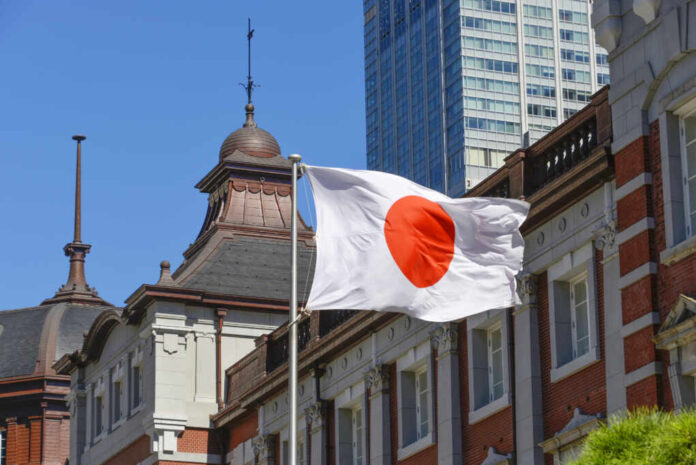
A snap election in Japan could reshape its political landscape, challenging long-standing power dynamics.
Story Highlights
- Japan’s Prime Minister Sanae Takaichi dissolves the lower house for a snap election.
- The election will occur on February 8, 2026, with a record-short campaign period.
- Takaichi seeks a stronger mandate amid diplomatic tensions with China.
- Opposition parties argue the election will delay critical budget passage.
Japan’s Snap Election: A Strategic Move
On January 19, 2026, Japanese Prime Minister Sanae Takaichi announced her decision to dissolve the House of Representatives and call a snap election for February 8, 2026. This decision marks a strategic effort by Japan’s first female prime minister to secure a stronger mandate for her policy agenda. With the shortest dissolution-to-election period since WWII, Takaichi leverages her high personal approval ratings against the backdrop of the Liberal Democratic Party’s (LDP) declining popularity.
The LDP, led by Takaichi, faces significant challenges, having lost its majority in past elections. The party’s internal projections aim for at least 233 seats, though achieving this remains uncertain. The opposition, particularly the Constitutional Democratic Party of Japan (CDP) and the former coalition partner Komeito, argues that the snap election will delay critical budget approval, potentially sacrificing livelihoods amidst economic pressures.
Watch:
Impact of the Snap Election
This snap election could significantly impact Japan’s domestic and international policies. Should Takaichi secure a stronger mandate, her ambitious policy agenda, including increased fiscal spending and defense budget enhancements, could gain momentum. This move comes during escalating tensions with China, following Takaichi’s assertive stance on Taiwan.
Opposition parties see the election as an opportunity to challenge the LDP’s dominance. The CDP-Komeito alliance aims to capitalize on the compressed 16-day campaign period, the shortest since the end of WWII, to sway public opinion and gain seats in the legislature.
Potential Outcomes and Future Implications
The election’s outcome will determine whether the LDP can reverse its declining popularity or face further fragmentation. A stronger mandate for Takaichi could bolster her diplomatic leverage with China, demonstrating robust domestic support for her policies. However, the Japan Innovation Party’s (JIP) refusal to provide electoral cooperation injects uncertainty into post-election coalition dynamics.
Japan PM says will dissolve parliament on Friday for snap election
Read more: https://t.co/yJvWcdCykz #AletihadNewsCenter #Japan #parliament
— Aletihad English (@AletihadEn) January 19, 2026
As the election approaches, the Ministry of Internal Affairs and Communications has instructed election boards to prepare for the impending vote. Japanese citizens, businesses, and international partners closely watch the developments, aware that the results could reshape Japan’s political and economic landscape.
Sources:
Nippon.com – Japanese PM Takaichi Calls Snap Election
Le Monde – Japanese PM Calls Snap Election
Wikipedia – 2026 Japanese General Election