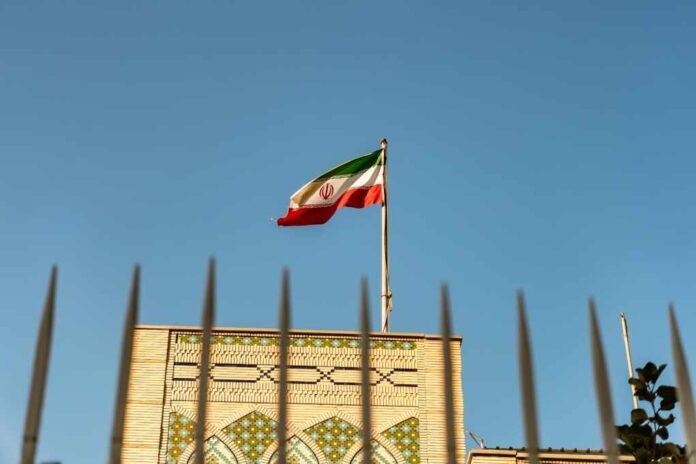
Iran faces a catastrophic economic collapse as European allies activate the nuclear “snapback” mechanism.
Story Snapshot
- France, Germany, and UK triggered UN sanctions snapback on September 27, 2025, after Iran’s nuclear violations
- Iranian citizens brace for severe economic hardship including currency collapse and inflation spikes
- Six major UN resolutions automatically revived, restricting banking, arms, and energy sectors
- Failed diplomatic efforts signal Iran’s continued defiance of international nuclear agreements
European Powers Activate Nuclear Sanctions Snapback
France, Germany, and the United Kingdom formally completed the UN sanctions snapback process against Iran on September 27, 2025, automatically reimposing six major Security Council resolutions. The E3 nations initiated this mechanism on August 28, 2025, citing Iran’s significant non-compliance with nuclear commitments under the 2015 Joint Comprehensive Plan of Action. This represents the most severe international response to Iran’s nuclear program since the original JCPOA framework collapsed following America’s 2018 withdrawal.
The snapback mechanism, designed as an enforcement tool within the original nuclear deal, allows automatic sanctions reimposition without requiring new Security Council votes. Iran’s last-minute diplomatic outreach on September 26, 2025, failed to prevent the activation, demonstrating the regime’s inability to negotiate from its weakened position. This development vindicates President Trump’s earlier maximum pressure campaign against the Iranian regime.
Watch: Iranians fear more economic pain, war as UN sanctions snapback
Economic Devastation Threatens Iranian Population
The restored sanctions target Iran’s banking sector, energy exports, and international financial transactions, threatening immediate economic shock for Iranian citizens. Previous UN sanctions between 2010-2015 caused severe currency devaluation and inflation, pushing millions into poverty while the regime maintained its nuclear ambitions. Iranian families now face potential shortages of essential goods, medicine, and basic necessities as international banking restrictions take effect.
The regime’s decades of fiscal mismanagement and corruption have left ordinary Iranians vulnerable to these international consequences of their government’s nuclear defiance. Lower-income Iranian families will bear the heaviest burden while regime elites maintain their privileged status through sanctions evasion networks.
Regional War Risks Escalate With Nuclear Defiance
Iran’s continued nuclear violations amid reimposed sanctions raise serious concerns about military escalation across the Middle East. The regime may respond to economic pressure by accelerating weapons development or increasing support for terrorist proxies threatening Israel and American allies. Previous sanctions coincided with Iranian aggression including attacks on shipping, support for Hamas and Hezbollah, and uranium enrichment expansion beyond peaceful levels.
The snapback sanctions demonstrate international resolve to prevent Iranian nuclear weapons development, but the regime’s defiant response could destabilize regional security. Iran’s theocratic leadership has historically chosen confrontation over compliance, using external pressure to justify domestic repression and regional terrorism. This pattern suggests the current sanctions may push Iran toward more aggressive policies rather than nuclear compliance, requiring continued American leadership and allied coordination.
Sources:
Iran Update September 26, 2025 – Institute for the Study of War
Completion of UN Sanctions Snapback on Iran – U.S. Department of State