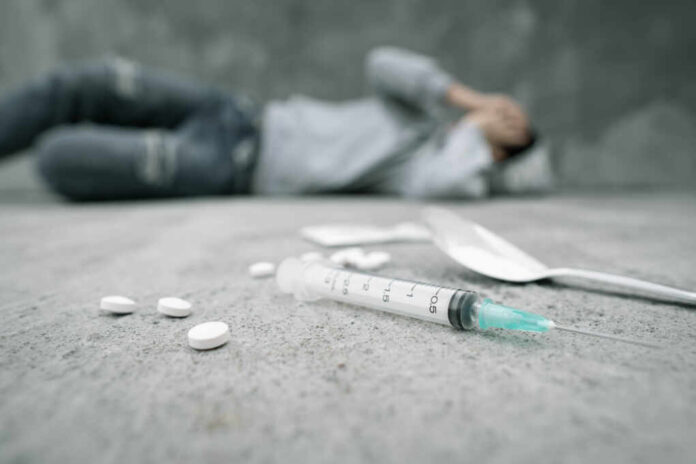
President Trump’s executive order expanding involuntary psychiatric commitments for homeless addicts signals a dramatic shift away from failed liberal policies.
Story Highlights
- Trump administration issued executive order expanding involuntary commitments while penalizing Housing First programs
- Massachusetts data reveals involuntary patients face 1.4 times higher overdose risk after release with one-third relapsing immediately
- Over 25 states have expanded involuntary commitment laws since 2015 as homelessness and addiction crises escalate
- California reports 32% of homeless individuals use methamphetamine regularly, highlighting the severity of street drug epidemics
Trump Administration Reverses Liberal Housing Policies
The Trump administration has taken decisive action to address America’s homelessness crisis by issuing an executive order that expands involuntary psychiatric commitments for the “unhoused” while penalizing Housing First programs. This represents a fundamental rejection of the liberal approach that has allowed encampments to proliferate across American cities. The order prioritizes public safety and treatment access over the failed progressive policies that have enabled addiction and mental illness to fester on our streets.
Watch:
Decades of Liberal Policies Created Current Crisis
The homelessness and addiction crisis stems directly from misguided deinstitutionalization policies of the 1960s and 1970s that emptied state hospitals without providing adequate community support. This liberal experiment correlated with a 24% increase in homicides and left only 14% of severely mentally ill homeless individuals receiving proper outpatient care. Current statistics reveal the devastating scope: one-third of homeless people struggle with alcohol or drug problems, with 38% abusing alcohol and 26% using other drugs.
Alarming Data Exposes Treatment Failures
Recent data from Massachusetts reveals troubling outcomes from involuntary commitment programs that commit 6,000 individuals annually. The state’s 2024 Department of Public Health report showed that 80% of involuntary patients are under 45, with 82% being white, and face 1.4 times higher overdose risk after release. Most concerning, one-third relapse on their release day, with fewer than 10% receiving follow-up care. These statistics underscore the complex challenges facing policymakers attempting to balance civil liberties with public safety.
States Grapple With Resource Allocation Decisions
Massachusetts allocates $22 million to involuntary facilities compared to just $7 million for harm reduction programs, highlighting the significant taxpayer costs involved. California’s 2025 survey data shows methamphetamine dominance among homeless populations, with 32% using regularly and 11% overdosing during homelessness. Stanford research indicates that involuntary psychiatric holds double violent crime and suicide risks for borderline cases, suggesting current approaches may inadvertently worsen outcomes for many individuals.
The debate continues as states reconsider their approaches to involuntary commitment laws. While advocates argue these policies provide necessary intervention for vulnerable populations facing 74-87% victimization rates, critics warn of returning to failed institutionalization models. The Trump administration’s executive order represents a significant federal shift toward prioritizing public safety and accountability over the permissive policies that have allowed American cities to deteriorate under the weight of untreated addiction and mental illness.
Sources:
Homeless Population Demographics and Addiction Statistics
Research on Involuntary Civil Commitment
Stanford Study on Involuntary Hospitalization Risks and Impacts
Health and Human Rights Journal: Expansion of Involuntary Commitment
UCSF Behavioral Health Report on California Homelessness
Rights and Recovery: Involuntary Commitment Analysis
KFF Five Key Facts About People Experiencing Homelessness
Prison Policy Initiative: Analysis of Executive Order on Unhoused