
Federal agents are probing a wave of suspicious letters with unknown powder sent to election and congressional offices weeks before Election Day.
Story Highlights
- The Federal Bureau of Investigation confirmed a nationwide investigation into suspicious mailings tied to election offices.
- State officials in Louisiana, Oklahoma, and Ohio reported evacuations or intercepted letters with white powder.
- The U.S. Postal Inspection Service and U.S. Capitol Police joined the probe and warned offices to treat mail as hazardous.
- Officials have not publicly identified the substance, the sender, or a motive at this stage.
Federal Investigation Into Suspicious Mailings
The Federal Bureau of Investigation said it is investigating a series of suspicious mailings sent to Secretary of State offices and related election offices across the country. The agency confirmed that some letters contained an unknown substance and urged the public to report tips. The timing comes in the run-up to the November elections. The agency did not release a total count of letters, which varies across news reports.
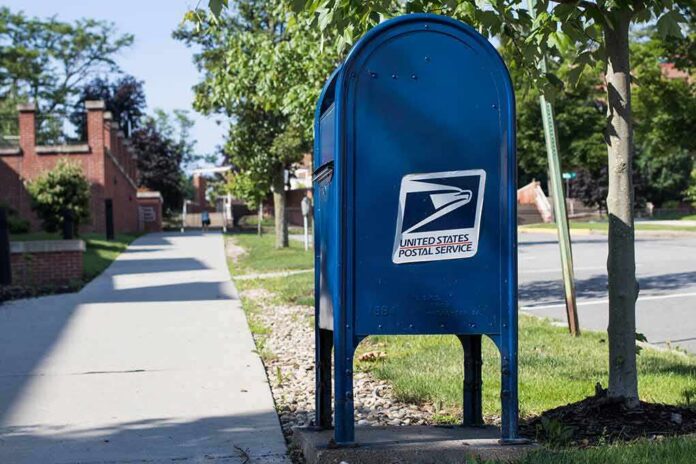
The U.S. Postal Inspection Service said it is working with the Federal Bureau of Investigation to track and intercept letters. The U.S. Capitol Police circulated safety guidance to congressional offices after reports of similar mailings on Capitol Hill. Security notices advised that any powder or odd packaging should be treated as potentially hazardous, and staff should call authorities before handling or opening items.
Incidents Reported by State and Congressional Offices
Louisiana’s Secretary of State reported an evacuation at the Baton Rouge office after a staff member found white powder in a letter. Oklahoma’s election office reported a similar evacuation after receiving a suspicious envelope. In Ohio, Secretary of State Frank LaRose said the Postal Service intercepted a letter with a powdery substance addressed to his office. These events show how quickly routine work can stop when safety is at risk.
Congressional offices also received security alerts about suspicious substances. Notices from the Senate Sergeant at Arms and the House Sergeant at Arms urged staff to isolate mail and follow set procedures. Reporters obtained copies of those alerts describing white powder in some letters and warning that more mail could arrive. The U.S. Capitol Police worked with federal partners to collect items and coordinate testing, while offices continued operations with added caution.
What Is Known, What Is Not, and Why It Matters
Officials have not publicly identified the powder or named a sender. Early testing reported by national media indicated no hazardous substances in some samples, but full laboratory results were not released, and the investigation continues. Law enforcement said they are working to identify who is responsible and why the mailings were sent. One clear fact remains: even a hoax can disrupt work and drain resources at critical public offices.
🚨 DEVELOPING — UNITED STATES — FBI INVESTIGATING REPORTS OF SUSPICIOUS LETTERS SENT TO GOVERNMENT OFFICES
📂 Category: Federal Investigation / Public Safety / Government Security
📅 Date: October 15, 2026
📍 Location: Multiple U.S. states
🚨 Status: Investigation reported —…— WilluChill News. (@Will466513) October 16, 2026
These incidents fit a longer pattern of mail threats against public institutions. Past cases, including the 2001 anthrax attacks, led to deaths, copycats, and strict mail screening that still shapes office routines today. That history explains why agencies act fast when white powder appears, even if later tests show no toxin. The response aims to protect staff, keep government running, and reassure the public that safety steps are in place.
Election Administration Pressures and Public Confidence
Local election officials report sustained pressure and threats in recent years. Survey data shows many have faced harassment or abuse while doing their jobs, creating stress and turnover risks that strain already thin staffs. When suspicious mail halts an office, deadlines for ballots, voter registration updates, and poll worker training can slip. Each delay risks fueling claims that the system is broken, even when teams work hard to keep services on time.
Practical Takeaways for Offices and Voters
Authorities advise offices to follow mail safety rules, log incidents, and call trained responders right away. Standard steps include isolating items, avoiding contact, and evacuating if powder is present. Voters can help by using official drop boxes where allowed, checking deadlines early, and relying on state or local election websites for updates. These basic moves reduce confusion and keep attention on verified information instead of rumors that can spread online.
Accountability, Transparency, and Next Steps
Federal and state investigators will review postal data, test substances, and compare envelopes for shared traits. If they find a single source, they can pursue charges tied to threats and hazardous materials. If separate actors are involved, agencies may release broader guidance to spot copycats. Either way, clear public updates on totals, lab findings, and arrests can support trust without exposing active leads. That balance helps safety and transparency work together.
Sources:
votebeat.org, cnn.com, nbcnews.com, yahoo.com, thehill.com, brennancenter.org