A new federal initiative threatens to escalate tensions in Chicago, sparking a showdown between local authorities and the Trump administration.
Story Overview
- The Trump administration plans to send federal agents to Chicago as part of an immigration crackdown.
- Chicago Mayor Brandon Johnson reaffirms the city’s Sanctuary City status, opposing federal intervention.
- ICE operations to be based at Naval Station Great Lakes, signaling a militarized approach.
- Local protests and legal challenges intensify against federal actions.
Federal Plans and Local Resistance
In a significant escalation, the Trump administration is deploying federal agents to Chicago to intensify immigration enforcement. This move targets Chicago’s Sanctuary City policies, which limit cooperation with federal immigration authorities. Homeland Security Secretary Kristi Noem confirmed the plans, stating an increase in resources without disclosing specific operational details. The administration justifies this action as a necessary response to uphold national security and immigration control.
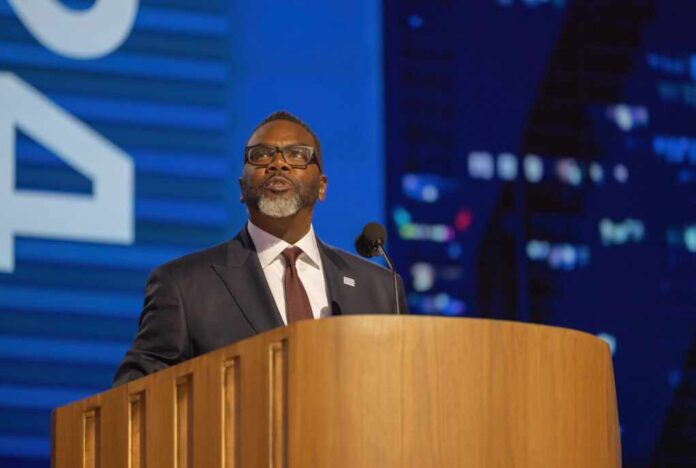
Chicago Mayor Brandon Johnson has been a vocal opponent of federal intervention, recently signing an executive order reaffirming the city’s Sanctuary City status. This order restricts the Chicago Police Department from cooperating with federal military operations, underscoring the city’s commitment to protect undocumented residents. Mayor Johnson’s stance is backed by community organizations and labor unions, which have mobilized public opposition to the federal crackdown.
Judge stops U.S. from deporting group of unaccompanied Guatemalan children after some were loaded on planes overnight at Texas airport https://t.co/cAguP9kdIL IF THE CAN WALK 3000+ MILES ALONE THEN THEY CAN HANDLE THEMSELFS. FACT!
— edwin swain (@SwainEdwin35139) September 1, 2025
Legal and Social Repercussions
Legal challenges are mounting as city leaders and community groups resist the federal crackdown. The judiciary has played a critical role, issuing rulings that temporarily block certain deportations, highlighting the complex legal landscape. These legal roadblocks underscore the ongoing battle between federal and local authorities over jurisdiction and civil liberties.
The use of Naval Station Great Lakes as a base for ICE operations underscores the militarized nature of this crackdown. This development raises concerns about the erosion of local autonomy and civil liberties, crucial issues for Chicago’s leadership and its immigrant communities. The situation has sparked protests and public demonstrations, drawing attention to the broader national debate on immigration policy.
Watch:
Impact and Future Implications
The current federal-local standoff in Chicago represents a microcosm of the larger national conflict over immigration policy. Short-term, this could mean increased arrests and deportations, heightening fear among immigrant communities. Long-term, it sets a precedent for federal intervention in Sanctuary Cities, potentially eroding local governance and community trust in law enforcement.
Economic implications are also significant, as local businesses reliant on immigrant labor may face disruptions. Politically, this intensifies partisan divides, influencing upcoming electoral debates. Community organizations continue to advocate for immigrant rights, emphasizing the humanitarian impact and community destabilization risks of such federal actions.
Sources:
ABC7 Chicago: ICE operations in Chicago and Trump’s immigration crackdown
MPR News: Chicago Mayor defies Trump’s immigration crackdown plan