
As the nation mourns the loss of four elite Army aviators, questions mount about whether federal priorities and oversight have left our bravest exposed to unacceptable risks.
Story Snapshot
- Four members of the 160th Special Operations Aviation Regiment died in a Black Hawk helicopter crash during a routine training mission near Joint Base Lewis-McChord.
- The cause of the crash remains under investigation, as families and the military community demand answers and accountability.
- The loss highlights the dangers faced by America’s elite warriors and renews debate over military readiness and government responsibility.
- Calls for transparency and continued support for affected families intensify as the Army vows a thorough investigation.
Elite Night Stalkers Lost in Routine Training Tragedy
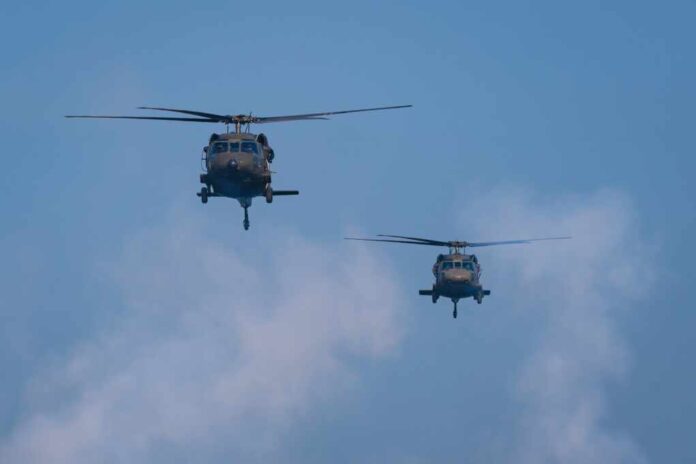
The 160th Special Operations Aviation Regiment, known as the “Night Stalkers,” suffered a devastating blow on September 17, 2025, when four of its soldiers perished in an MH-60 Black Hawk crash near Summit Lake, Washington. Chief Warrant Officers Andrew Cully and Andrew Kraus, along with Sergeants Donavon Scott and Jadalyn Good, lost their lives during a nighttime training flight designed to sustain the regiment’s renowned readiness. Unlike combat losses, this tragedy occurred on American soil, underlining the inherent dangers that even routine military operations carry for those who volunteer to protect the nation.
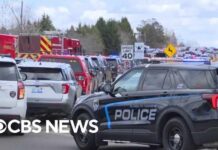
The Black Hawk went down at approximately 9:00 p.m., igniting a wildfire and triggering an extensive search and recovery effort. The crash site, located in rural Thurston County near Joint Base Lewis-McChord, became the focus of military and local emergency personnel working through the night. Recovery operations confirmed all four soldiers were deceased within two days, and the Army publicly released their names on September 22. Official statements from Army leaders emphasized the soldiers’ elite status, their dedication, and the deep void their loss leaves within the regiment and the broader special operations community.
Watch: Army identifies 4 soldiers killed in Washington state helicopter crash
Investigation and Accountability: Demands for Answers
The U.S. Army Special Operations Command and base officials have initiated a comprehensive investigation into the crash, with no preliminary findings released as of September 23. Families, fellow service members, and concerned citizens are calling for transparency and accountability, questioning whether equipment, training standards, or oversight may have played a role. The Army’s promise of a thorough review is under scrutiny, especially in light of past incidents involving the 160th SOAR and broader concerns about military readiness during periods of shifting government priorities.
Impact on Families, Unit, and the Nation’s Conscience
The immediate impact is most keenly felt by the families of the fallen—Chief Warrant Officer 3 Andrew Cully of Missouri, Chief Warrant Officer 3 Andrew Kraus of Florida, Sgt. Donavon Scott and Sgt. Jadalyn Good of Washington—who now face an irreplaceable loss. Their unit, the 160th SOAR, must cope with the emotional and operational consequences, as training schedules are disrupted and morale is tested.
In the longer term, the crash could prompt congressional review or Department of Defense scrutiny if systemic issues are discovered. At a time when Americans are increasingly frustrated by perceived government overreach and misplaced priorities, such events sharpen the debate over how the nation cares for its defenders. The fallen Night Stalkers’ legacy compels both remembrance and renewed vigilance to ensure that America’s elite warriors are never again left vulnerable, whether by enemy action or by failures at home.
Sources:
Army says 4 soldiers died in helicopter crash in Washington state this week
Soldiers killed helicopter crash identified
Army identifies four soldiers killed in helicopter crash
Special operations soldiers JBLM