

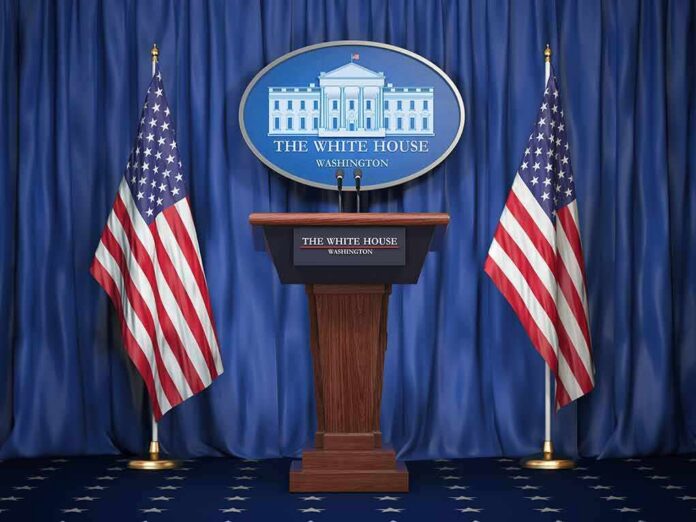
Five days after being introduced as the nation’s top spokesperson, Katie Zacharia is out as White House press secretary.
Story Snapshot
- The White House named Katie Zacharia the 37th press secretary on October 13, 2026.
- Zacharia exited the role five days later, ending one of the shortest tenures on record.
- Major outlets reported her departure after a rocky first briefing drew sharp scrutiny.
- The swift change highlights stress inside a high-pressure job central to any administration.
What Happened and When
The White House introduced Katie Zacharia as the 37th White House press secretary on October 13, 2026, with an official release and video of her first briefing. The release framed her debut as a strong start for the administration’s message operation. By October 16, multiple outlets reported she was leaving after only five days in the job, citing White House officials who confirmed the move. That timeline makes her tenure unusually short for this post.
Television and online coverage focused on Zacharia’s first briefing and the questions it raised about her background and performance. A White House official told a major business outlet that criticism built quickly, and by the end of the week she was on her way out. Reporters compared the episode to past rapid exits of communications leaders, which are rare but memorable. The quick reversal underscored how public moments at the podium can define a tenure in hours, not months.
Why This Role Matters
The press secretary shapes how the country hears from the president each day. That includes explaining policy, answering tough questions, and staying on message in crisis. Short tenures can signal internal strain or rushed hiring, and they can slow clear communication with the public. Historians and reporters noted that five days is likely a modern record for brevity, with prior short stints still lasting weeks, not days. That context shows how unusual this case is.
Turnover here reaches beyond political gossip. Markets, allies, and agencies watch the briefing room for cues. When the face of the administration changes fast, it adds noise when the country needs clarity. Voters across parties already feel Washington serves insiders more than citizens. A rapid exit like this feeds that concern by suggesting poor vetting, mixed priorities, or both. The facts confirm only the short tenure; the reasons offered vary by outlet and remain secondary to the timeline.
What It Signals for the Trump White House
President Trump’s team still controls Congress and can move policy, but messaging missteps create headwinds. A five-day press secretary turnover forces a reset of daily briefings, background calls, and longer-term communications plans. That slows efforts to sell policies on the economy, energy, border security, and spending. Officials told reporters the White House would move on quickly, yet any replacement will face extra scrutiny and a shorter runway to earn trust with the press and public.
Katie Zacharia denies betraying Trump after week-long press secretary exit
Katie Zacharia, ousted as White House Press Secretary after less than a week, denies betraying Trump and shares Oval Office birthday visit photos. No successor named yet.https://t.co/mj5wCuxaFZ pic.twitter.com/Zcn83IxjK5
— NationPress (@np_nationpress) October 18, 2026
For readers who feel the system is run for elites, this story lands hard. A marquee job turned over in a workweek. The administration touted a “powerful” debut, then reversed course days later. Major outlets say performance concerns drove the change. Others simply mark the historic speed of the exit. Whatever the exact cause, the outcome is clear: a high-stakes role opened again, and citizens are left waiting for steady, plain answers on issues that affect daily life.
Sources:
theamericanconservative.com, nbcnews.com, whitehouse.gov, bbc.com