United Nations nuclear watchdog members warned that North Korea has expanded uranium enrichment, adding facilities that could boost bomb fuel output.
Story Snapshot
- International Atomic Energy Agency members passed a resolution citing “growing concern” over North Korea’s nuclear expansion.
- Agency reporting says a new enrichment hall at Yongbyon and an expanded Kangson annex are in operation.
- Satellite analysis and past reports point to sustained growth in enrichment capacity over several years.
- Kim Yo-jong dismissed denuclearization demands, calling North Korea’s nuclear status “immutable”.
What the Watchdog Says Is New
Reuters reported that the International Atomic Energy Agency said North Korea built a new uranium enrichment facility at Yongbyon that could hold up to 28 centrifuge cascades, and that an expanded annex at Kangson has begun operating. The International Atomic Energy Agency Director General called these steps a cause for “serious concern,” citing the increased ability to produce fissile material. These details suggest not a pause, but a deliberate buildout of capacity at two known enrichment hubs.
Member states at the agency’s annual conference passed a resolution flagging “growing concern” over North Korea’s rising atomic activity and stated plans to strengthen its nuclear force. The European Union mission to the International Atomic Energy Agency linked that activity with repeated missile launches, underscoring the broader security risks in Northeast Asia. Such resolutions are nonbinding, but they set the diplomatic baseline for what comes next at the United Nations and with regional allies.
How Analysts Are Reading the Sites
The Institute for Science and International Security tracked new construction at Yongbyon since late 2024, identifying a building similar in size to the suspected Kangson plant. A separate International Atomic Energy Agency safeguards report described continued operation at Yongbyon and noted the expansion of floor space between 2021 and 2022, which likely means room for more centrifuges. Together, these data points line up with the latest claim of a completed new enrichment hall at the complex.
The agency’s 2025 safeguards report said inspectors still lack access inside North Korea, so they cannot confirm exact configurations or operating status at each site. That gap is real and persistent. Still, remote sensing, thermal signatures, and visible changes to buildings have produced a consistent picture of growth. That is why the agency uses careful language yet continues to warn about expanding capacity to make bomb fuel.
What Pyongyang Says—and Why It Matters
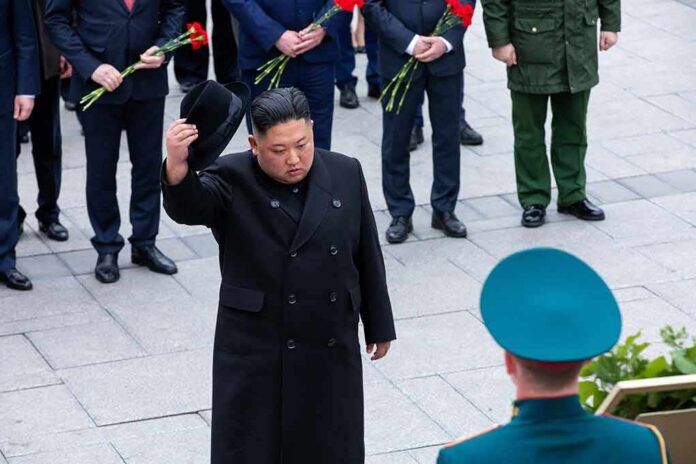
Kim Yo-jong, a senior North Korean official, rejected denuclearization calls as “nonsense” and said the country’s nuclear status is “immutable”. Reuters reported that Kim Jong Un has argued that expanding a self-defensive nuclear deterrent is essential for security and development. These messages aim to shut the door on talks about rolling back the program. They also signal that more enrichment and missile activity may follow, absent meaningful leverage or incentives.
Japan’s representative to the International Atomic Energy Agency board urged pressure on North Korea to comply with United Nations Security Council resolutions and halt enrichment and reprocessing tied to weapons work. The United States, Japan, and South Korea delivered a joint statement earlier this year that North Korea is expanding an unlawful program, backing the agency’s findings with allied unity. That diplomatic front seeks to counter Pyongyang’s message of permanence with steady external pressure.
Why Americans Should Care
More enriched uranium means more potential warheads and higher stakes for U.S. troops and allies in Asia. It also means greater risk that technology or material spreads beyond North Korea’s borders. Washington has long relied on sanctions and statements while intel agencies track sites from space. Many Americans see a pattern: global bodies warn, leaders posture, and the problem grows anyway. They worry that unaccountable elites let risks build while ordinary citizens pay the price if crisis erupts.
⚡️⚛️🇰🇵 — The IAEA said in an August 28 report that North Korea has built a new uranium enrichment facility at its main Yongbyon nuclear complex, identifying a new two-storey building as the site’s second such facility by comparing state media photographs of a June visit by Kim… pic.twitter.com/QZphuCXiKB
— MaxOsint Intel (@maxosintintel) September 16, 2026
This story fits that worry. The International Atomic Energy Agency documents expansion. Allies pass resolutions. North Korea shrugs and keeps building. Without access for inspectors and a workable negotiation path, the world manages the problem rather than solves it. Voters across left and right can agree on one thing here: when warnings stack up but action stalls, trust in institutions erodes—and the cost of delay usually comes due with interest.
Sources:
insiderpaper.com, reuters.com, thepeninsulaqatar.com, upi.com, vertic.org, beyondparallel.csis.org, koreaherald.com, iaea.org, voanews.com, scribd.com