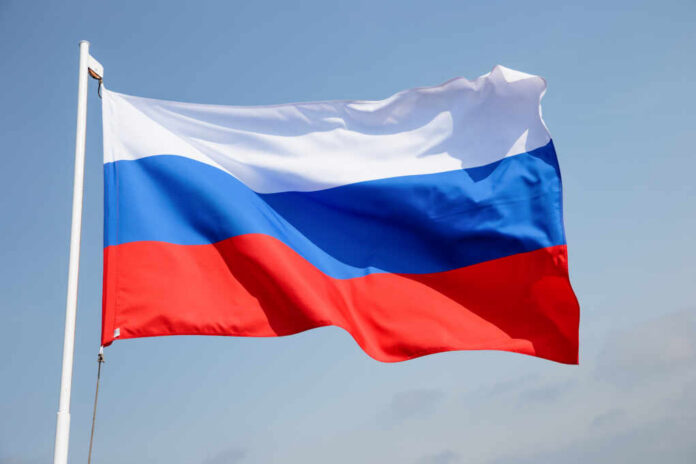
Putin is trying to turn Cuba’s blackouts into a geopolitical dare—sending Russian oil toward America’s doorstep to see whether Trump’s embargo is real or just rhetoric.
Quick Take
- Russia dispatched two tankers amid Cuba’s collapsing power grid; one cargo was rerouted to Venezuela while another crude shipment is still expected to reach Cuba in early April 2026.
- The standoff follows Trump’s January 2026 crackdown aimed at cutting off fuel lifelines to Havana, including tariffs on countries supplying Cuba.
- Cuba’s crisis deepened after disrupted Venezuelan and Mexican supplies, a refinery fire in Havana, and restrictions that even halted airport refueling.
- Energy experts say the crude shipment would provide only limited short-term relief because Cuba must refine it before it can be used widely.
Russian Tankers Put Trump’s Cuba Embargo to the Test
Maritime tracking and reporting indicate Russia sent two tankers tied to a potential fuel run toward Cuba as the island struggles with severe outages. One vessel carrying about 27,000 metric tons of liquefied natural gas originally signaled Cuba but later updated its destination to Venezuela. A second tanker, identified as the Anatoly Kolodkin, is carrying roughly 100,000 metric tons of crude oil and is expected to reach Cuba in early April 2026.
Cuba’s urgency spiked after the national electricity grid collapsed on March 13, leaving more than 10 million people facing widespread blackouts. Reporting also describes the Russian shipment as the first plausible delivery from Moscow since a Mexican cargo arrived in early January. That timing matters because the policy fight is not theoretical: fuel shortages affect power generation, transport, and basic economic activity, making energy shipments a pressure point in the broader U.S.-Cuba confrontation.
How U.S. Pressure Squeezed Cuba’s Fuel Supply Chain
Cuba’s economy has long depended on imported oil, with Venezuela and Mexico serving as key suppliers. The current crisis escalated after U.S. actions in late 2025 disrupted Venezuelan exports to Cuba, followed by a January 29, 2026 executive order declaring a national emergency and imposing tariffs on countries that supply the Cuban government. The order’s stated objective is regime change by year-end, tightening enforcement pressure across shipping and trade networks.
Mexico’s role illustrates how the policy is designed to deter third-party support. After U.S. tariff threats, Mexico halted Pemex shipments on January 27, 2026, though Mexican officials described the move as a sovereign decision and later sent humanitarian aid. On the ground in Cuba, the supply squeeze showed up quickly: by February 9, Cuba halted airport refueling, which contributed to flight suspensions by several airlines. A February 13 fire at Havana’s Nico López refinery further worsened shortages.
Why the Cargo May Not “Fix” the Blackouts
Energy analyst Jorge Piñón has argued the incoming crude offers only limited relief because crude must be refined before it can broadly support power and transport needs. Under that view, even a large crude shipment can translate into “little more than a week’s worth” of usable fuel once technical constraints and prioritization are factored in. In a grid emergency, authorities typically ration diesel and other refined products to critical services first, leaving households and many businesses facing continued instability.
The crisis has also reshaped who can access fuel under U.S. rules. On February 25, U.S. authorities issued a license allowing Venezuelan oil sales to Cuba’s private sector only, a narrow channel that signals Washington is trying to deny cash and energy to the state while leaving small private activity some breathing room. The overall result is a high-stakes environment where a single tanker’s route change can matter, but cannot erase structural shortages.
Diplomacy, Waivers, and the Constitutional Stakes at Home
Cuba’s leadership has acknowledged talks with the United States as the situation worsened, and reporting says Cuba released 51 political prisoners amid negotiations. At the same time, U.S. policy has tightened around enforcement tools: coverage indicates the Treasury excluded Cuba from Russian oil waivers, increasing the likelihood that any Russian shipment becomes a direct test of embargo implementation. The White House has not publicly commented on the Russian tanker episode, according to reporting.
For American conservatives, the clearest takeaway is how fast foreign flashpoints can drive calls for expanded federal power—sanctions, seizures, emergency declarations, and enforcement authorities—often with limited transparency. The available reporting focuses on Cuba’s fuel crisis and Moscow’s challenge, but it also underscores a basic reality: when energy becomes a weapon, the public deserves clear lines of authority, measurable objectives, and accountable decision-making. Limited public detail remains about how far enforcement will go if the tanker reaches Cuba.
Sources:
https://www.thedailybeast.com/vladimir-putin-defies-donald-trump-with-brazen-oil-delivery-to-cuba/
https://www.miamiherald.com/news/nation-world/world/americas/cuba/article315127584.html