The Iranian regime’s recent decision to sentence a soldier to death for not firing on civilians raises serious concerns about human rights and judicial fairness.
Story Overview
- Javid Khales, an Iranian soldier, faces a death sentence for refusing to shoot protesters.
- The case highlights issues of judicial repression and lack of transparency.
- International concern grows over Iran’s handling of civil unrest.
- The sentencing is emblematic of broader patterns of extrajudicial punishment.
Iranian Soldier’s Refusal Sparks Controversy
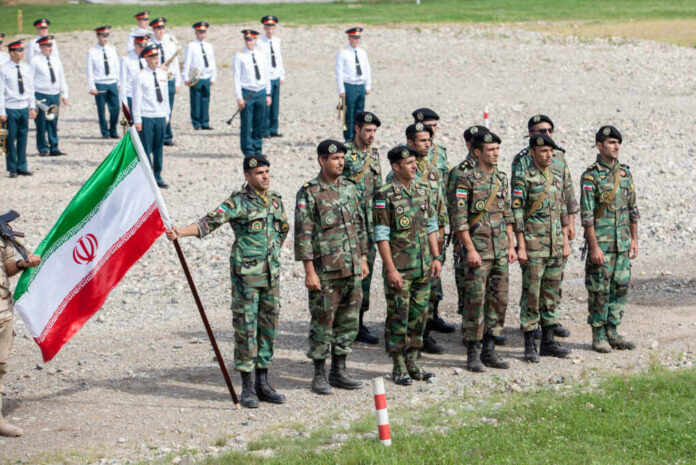
In January 2026, Javid Khales, a young soldier in Iran, made the courageous decision to defy orders and not fire on civilians during nationwide protests. His humanitarian act, however, has resulted in a death sentence, illustrating the severe consequences of dissent within Iran’s military forces. This case has attracted international attention, as it underscores the oppressive judicial practices in Iran, where summary trials and lack of transparency are prevalent.
The protests in January 2026 were marked by significant violence, with Iranian security forces reportedly using military weapons against civilians, resulting in numerous casualties. Khales’s decision to refuse participation in such violence stands in stark contrast to the actions of his peers, highlighting the moral dilemmas faced by military personnel during civil unrest.
Iran soldier sentenced to death for refusing to shoot protesters, human rights group says https://t.co/Pi6lBVAnHk pic.twitter.com/iGHFjwcho7
— New York Post (@nypost) January 20, 2026
International Concerns Over Judicial Practices
The international community has expressed deep concern over Iran’s judicial practices, particularly in cases like that of Javid Khales. Lack of due process and transparency in Iran’s judiciary has been a point of contention, with human rights organizations calling for global attention and intervention. The Iranian regime’s swift and decisive responses to protest-related arrests have been criticized for potentially violating international humanitarian law and for perpetuating a climate of fear among both military and civilian populations.
The “No to Executions Tuesdays” campaign, active for over two years, illustrates the ongoing domestic opposition to Iran’s use of capital punishment as a tool of political control. The continuation of this movement, despite internet shutdowns and mass arrests, signifies the resilience of Iranian civil society in the face of state repression.
Broader Implications for Iran and Beyond
The death sentence against Javid Khales is not only a personal tragedy but also a reflection of broader systemic issues within Iran. It sets a dangerous precedent, potentially deterring other military personnel from exercising their moral judgment in situations involving unlawful orders. Moreover, it exacerbates the already strained relations between Iran and the international community, inviting further scrutiny and potential diplomatic fallout.
The situation in Iran demands urgent attention from global leaders and human rights advocates. Continued documentation and pressure are essential to ensuring accountability and preventing further erosion of human rights within the country.
Sources:
Iranian Authorities Sentence Soldier to Death for Refusing to Fire at Protesters
Iranian News Source on Khales’s Death Sentence
No to Executions Tuesdays Campaign Continues in Iran’s Prisons
Iranian Protester Sentenced to Death Allowed to Appeal