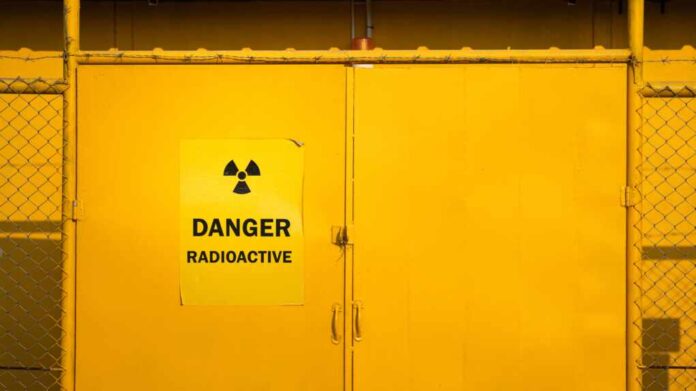
A Cold War nuclear monitoring bunker built to protect Britain from Soviet threats now faces destruction from nature itself, as Britain’s fastest-eroding coastline threatens to claim this vital piece of national defense history within hours.
Story Snapshot
- Cold War-era nuclear bunker near Yorkshire coast faces imminent collapse after 67 years of service
- Rapid coastal erosion moved the structure from 100 yards inland to cliff’s edge in decades
- Government’s “no intervention” policy abandons historical preservation for managed retreat
- Amateur historians document final days as waves threaten to destroy irreplaceable defense heritage
Cold War Relic Hangs in Balance
The Tunstall nuclear monitoring bunker, constructed in 1959 as part of Britain’s Royal Observer Corps network, now perches precariously 25 feet above Tunstall Beach in East Yorkshire. Originally built 100 yards from the shoreline to detect nuclear detonations and monitor fallout during the height of Cold War tensions, this underground facility served as a critical component of Britain’s civil defense strategy. The bunker’s exposed red brick walls and internal chambers now stand as a stark reminder of when Britain took national security seriously, preparing for threats that required real vigilance and infrastructure investment.
Amateur historian Davey Robinson has been documenting the bunker’s final days through daily videos, stating “We live on one of the most eroded coastlines in Europe and this bunker hasn’t got long left, perhaps just a few days.” His partner Tracy Charlton assists in filming what may be the last visual record of this piece of British defense history. Their citizen journalism efforts have drawn global attention to a story that official authorities seem content to let slip into the sea without meaningful documentation or preservation attempts.
Watch:
Government Abandonment Accelerates Heritage Loss
The East Riding of Yorkshire Council has issued safety warnings but claims no statutory responsibility since the bunker sits on private land. This represents a broader “no active intervention” policy under the Shoreline Management Plan, essentially abandoning coastal heritage to natural forces. The Environment Agency tracks erosion rates of 2-4 meters annually but takes no preservation action, demonstrating how modern Britain prioritizes bureaucratic convenience over protecting the infrastructure that once defended the nation from existential threats.
The Holderness Coast has already consumed 23 villages and three miles of land since Roman times, with the Yorkshire Marine Nature Partnership noting cliff retreat rates of up to 4 meters per year. This systematic destruction of British heritage reflects a concerning pattern where government agencies monitor decline but refuse to take meaningful action to preserve historically significant sites that represent the nation’s commitment to defense and preparedness during crucial periods.
National Defense History Crumbles Under Failed Policies
The bunker was part of a network of approximately 1,500 underground posts designed to monitor nuclear attacks and coordinate civil defense responses. Decommissioned in the early 1990s after the Cold War’s end, these facilities represented Britain’s serious approach to homeland security when threats were taken seriously and infrastructure was built to last. The current abandonment of such sites reflects a troubling shift away from preserving the physical reminders of national vigilance and preparedness.
Nuclear Bunker Faces Final Days As Coastline Rapidly Erodes https://t.co/1lE6OOeMPM
— zerohedge (@zerohedge) January 17, 2026
This loss extends beyond mere historical curiosity. The bunker’s destruction symbolizes how short-sighted policies prioritize environmental ideology over heritage preservation. While climate activists push managed retreat strategies, they ignore the cultural and historical value of sites that demonstrate Britain’s historical commitment to defending its people. The “no active intervention” approach represents government failure to balance environmental concerns with preserving tangible links to the nation’s defense legacy and the serious approach previous generations took toward national security threats.
Sources:
Nuclear bunker ‘days away’ from falling into sea
UK Cold War nuclear bunker about to collapse as waves eat away at coast
Nuclear bunker teetering on cliffside ‘days away’ from falling into sea due to coastal erosion
Nuclear bunker on the brink of collapse due to coastal erosion