
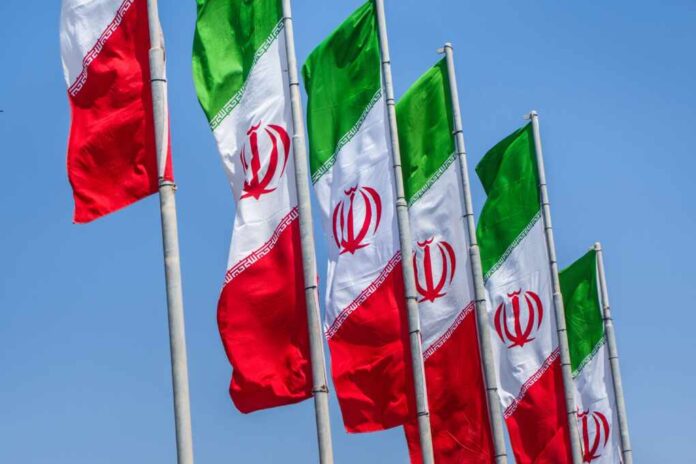
The Iranian protests mark a critical turning point, as fearless demonstrators challenge the regime, despite severe crackdowns.
Story Snapshot
- The protests are the largest since 2022, fueled by economic crisis and political demands.
- Fearless escalation noted on day six, with chants against the regime and calls for the Shah’s return.
- The government responds with severe crackdowns, but strikes continue to expand.
- U.S. monitors the situation, expressing concern over violence and intimidation.
Economic Turmoil Sparks Unrest
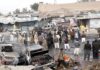
In late December 2025, protests ignited in Tehran’s Grand Bazaar, driven by economic collapse and currency devaluation. These demonstrations quickly morphed into a broader political movement, with chants of “Death to the Dictator” echoing through the streets. The unrest has become the largest since the Mahsa Amini protests of 2022–2023, fueled by a combination of economic grievances and political demands.
These protests are distinct from past uprisings, as they prominently feature bazaar merchants and echo monarchist sentiments. The call for the Shah’s return has added a new dimension to the unrest, highlighting a significant shift in the political landscape. The widespread closures and strikes have led to a significant disruption in daily life, underscoring the depth of economic despair among Iranians.
Watch:
Government’s Harsh Response
The Iranian government, led by Supreme Leader Ali Khamenei, has responded with force, deploying security forces to suppress the protests. Reports of live ammunition and tear gas being used against demonstrators have surfaced, drawing international condemnation. The Iranian Revolutionary Guard Corps (IRGC) defends these actions, claiming they are necessary to maintain order.
The U.S. State Department has expressed concern over the intimidation and violence faced by protesters. The protests have not yet reached the intensity of the 2022 Amini unrest, but the potential for escalation remains as strikes and demonstrations continue to spread throughout the country.
Day Six of the Iranian Revolt: It's Heating Up, and This Time the Fear Is Gonehttps://t.co/aYQdBP60XE
— PJ Media Updates (@PJMediaUpdates) January 3, 2026
Impact and Future Implications
The short-term impacts of the protests are already evident, with business closures disrupting food distribution and the economy. The cold weather has provided a pretext for shutdowns, but this has not deterred the momentum of the movement. Funerals for those killed in the protests have become rallying points, further galvanizing demonstrators.
In the long term, the protests hold the potential to grow into the largest unrest since the 1979 Revolution. The continued economic spiral, along with pro-democracy and monarchist chants, suggests a significant political shift is underway. The legitimacy of the IRGC is at risk if casualties continue to mount, and the regime’s credibility is already eroding among diverse groups.
Sources:
2025–2026 Iranian protests
Trump and Iran Start 2026 Exchanging New Threats on Social Media
Iran International – Day Four Focus