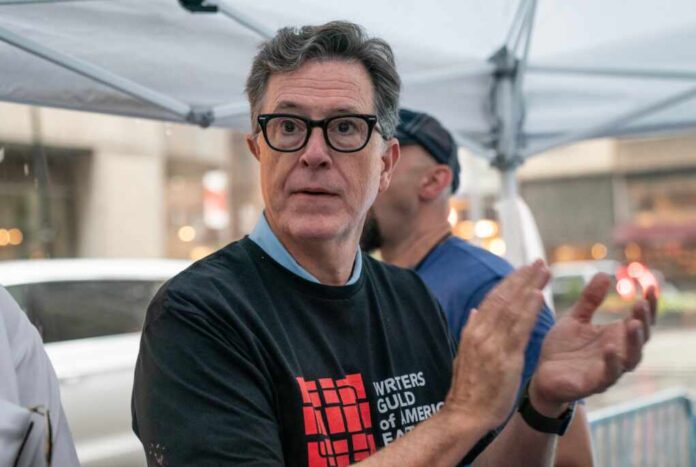
A new policy threatens broadcast freedom, stirring a fierce debate over media bias and regulatory overreach.
Story Highlights
- President Trump has threatened to revoke broadcast licenses of networks critical of his administration.
- Stephen Colbert and Jimmy Kimmel are central figures in the controversy over perceived media bias.
- Trump’s remarks coincide with significant shifts in late-night television and network ownership.
- The potential regulatory actions raise concerns about free speech and First Amendment rights.
Trump’s Latest Media Critique
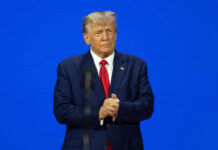
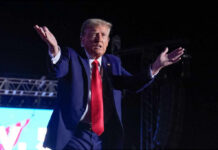
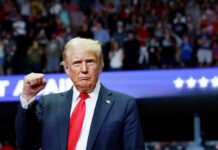
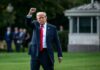
On December 24, 2025, President Donald Trump took to Truth Social to criticize late-night television hosts, particularly targeting Stephen Colbert, calling him talentless and gloating over CBS’s decision to cancel “The Late Show.” Trump’s posts extended to a broader threat of revoking the broadcast licenses of networks he claims are “almost 100% Negative” toward his administration, a move unsettling to media freedom advocates.
Trump’s critiques are not unprecedented; he has long contended that late-night comedy shows are biased against him. This recent escalation comes as networks face declining ratings and corporate restructuring, including CBS’s acquisition by Skydance Media. Such business shifts may influence the political landscape of media, especially with Skydance’s connections to Trump ally Larry Ellison.
Watch:
Impact on Late-Night Television
The impact of Trump’s threats could be profound. If the FCC, led by Trump-appointed Chairman Brendan Carr, pursues license revocations, it could set a precedent for future regulatory actions against media outlets. Such actions could result in self-censorship among broadcasters, fearing repercussions for content that critiques the government.
Stephen Colbert, whose show is set to end in May 2026, and Jimmy Kimmel, who faced suspension earlier this year, are emblematic of the tension between media satire and political criticism. Their shows have been focal points for Trump’s grievances, highlighting the delicate balance networks must maintain between entertainment and political discourse.
Constitutional Concerns and Free Speech
The potential revocation of broadcast licenses raises significant constitutional questions. The First Amendment protects freedom of the press, and any governmental attempt to silence dissent through regulatory measures challenges these protections. Critics argue that such actions could undermine the independence of media institutions, creating a chilling effect on free speech.
While Trump’s supporters may view these threats as a necessary measure to ensure media accountability, opponents see it as an authoritarian overreach. The debate underscores the ongoing tension between government authority and media independence, a core issue in a democratic society.
Sources:
President Donald Trump slams late-night host Stephen Colbert, calls him ‘dead man walking’ and demands CBS ‘put him to sleep’
Trump threatens broadcast licenses
Trump says humbug to Colbert, threatens broadcast licenses
Trump rips late-night shows, threatens broadcast licenses