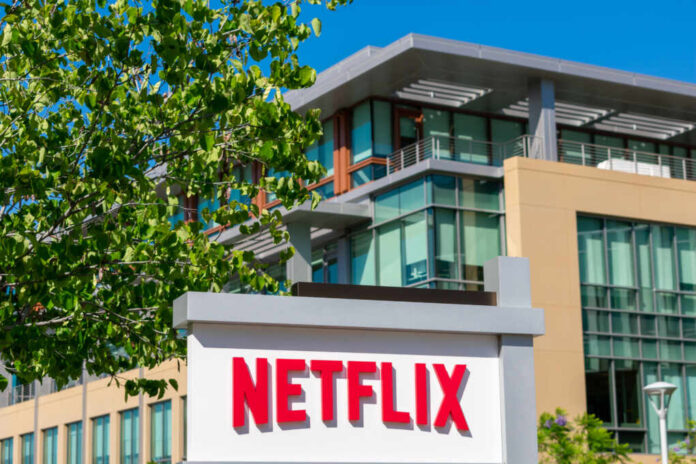
Netflix’s nearly $83 billion push to swallow Warner Bros. is shaping up as a test of whether Trump’s new DOJ will finally rein in Big Tech–style monopolies.
Story Snapshot
- Netflix plans to buy Warner Bros.’ studios, HBO, DC, and vast content libraries in an $82.7 billion mega‑deal.
- The transaction would give Netflix unprecedented control over what Americans watch and how they access it.
- Trump’s pro‑competition, anti‑globalist regulators now face pressure to decide if this consolidation goes too far.
Historic Mega‑Deal Puts Netflix in Big Tech Crosshairs
On December 5, 2025, Netflix and Warner Bros. Discovery announced a mammoth agreement for Netflix to acquire Warner Bros.’ film and TV studios, HBO, HBO Max, DC Studios, and extensive content libraries in a cash‑and‑stock deal valued at $82.7 billion. The equity portion clocks in around $72 billion, making it one of the largest media deals in history. The move caps a competitive auction where Paramount/Skydance and Comcast also bid but ultimately lost to Netflix’s richer, mostly cash offer.
Before this deal can close, Warner Bros. Discovery plans to spin off its cable news and sports networks, including CNN, TNT, TBS, and Discovery‑branded channels, into a separate company called Discovery Global. That carve‑out leaves Netflix buying the core Hollywood crown jewels: Warner’s storied studios, HBO’s prestige catalog, DC’s superhero universe, and decades of beloved IP from Harry Potter and The Matrix to Friends and Game of Thrones. The tie‑up would fuse Netflix’s global streaming reach with a legacy studio powerhouse.
Watch;
How the Deal Reshapes the Streaming Battlefield
For years, Netflix largely avoided buying big legacy studios, preferring to license or commission content while building its own originals. This acquisition marks a sharp turn toward owning everything from IP to production infrastructure to theatrical distribution. Analysts estimate that a combined Netflix–Warner Bros. operation would control well over one‑third of the U.S. streaming market, vaulting it far ahead of many rivals. That scale could give Netflix sweeping leverage in negotiations with talent, theaters, and international broadcasters who depend on Warner’s libraries.
Netflix executives pitch the merger as “pro‑consumer,” insisting that consolidation is necessary to compete with Disney, Amazon, Apple, and other global giants. They tout projected cost synergies of $2–3 billion a year by year three and promise to keep Warner Bros. Pictures’ theatrical release strategy intact while still selling content to third‑party buyers. In the near term, HBO Max is expected to remain a separate service, even as HBO content flows into Netflix’s platform.
Netflix's deal to buy Warner Bros. is raising alarms: 'Anti-monopoly nightmare': The deal is still subject to regulatory approval, and it's likely to set off an antitrust fight. Sen. Elizabeth Warren joined others in criticizing it https://t.co/JPVfuJwgNh pic.twitter.com/MdfgxXidVg
— Quartz (@qz) December 5, 2025
Regulatory Showdown Under Trump’s New Antitrust Posture
The deal now moves to regulators in the U.S. and abroad, with the Justice Department expected to lead the antitrust review under the Clayton Act’s ban on mergers that substantially lessen competition. Previous mega‑deals like AT&T–Time Warner, Disney–Fox, and Comcast–NBCUniversal were approved, often with conditions, under more permissive administrations. Many watchdogs now say that era of easy sign‑offs helped create today’s concentrated media and tech environment, where a few giants dominate distribution, advertising, and content pipelines.
Trump’s return to the White House came with promises to crack down on globalist corporations, protect American consumers, and break up cozy arrangements that favor elite boardrooms over working families. His administration has already taken a harder line against price‑fixing and anti‑competitive behavior in other sectors, signaling less patience for corporate concentration. This Netflix–Warner Bros. case offers a high‑profile opportunity to show that commitment in the media arena, where cultural influence and political narratives ride alongside standard antitrust concerns.
Sources:
Netflix–Warner Bros. Acquisition Explained (2025)
Proposed acquisition of Warner Bros. by Netflix
Netflix to Acquire Warner Bros. for $83 Billion
Netflix–Warner Bros. buyout and antitrust questions