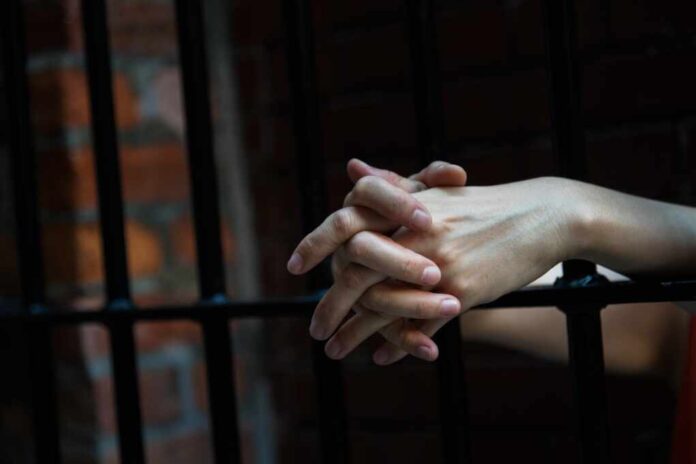
Federal judges have repeatedly blocked the Trump administration’s efforts to remove biological males identifying as transgender women from federal women’s prisons.
Story Highlights
- Trump’s executive order seeks to end housing of biological males in women’s federal prisons
- Federal judges have issued multiple injunctions blocking enforcement of the policy
- At least 14 biological males remain in women’s facilities despite administration efforts
- Court battles reveal safety concerns for both female inmates and correctional staff
Trump’s Executive Order Targets Prison Policy
President Trump issued an executive order on January 20, 2025, titled “Defending Women from Gender Ideology Extremism and Restoring Biological Truth to the Federal Government.” The order directs federal officials to ensure biological males are not housed in women’s prisons and prohibits federal funding for gender-confirming medical treatments for inmates. This policy reversal aimed to restore common-sense protections for incarcerated women, replacing the previous system that allowed individualized housing decisions regardless of biological sex.
The Bureau of Prisons initially attempted to implement the order but faced immediate legal challenges from civil rights organizations. Three transgender women filed suit in U.S. District Court, arguing the policy violated their constitutional rights. The administration’s efforts to protect female inmates quickly became entangled in federal court proceedings that have continued for months.
Watch:
Federal Courts Block Common-Sense Safety Measures
U.S. District Judge Royce Lamberth issued multiple court orders preventing the Bureau of Prisons from transferring biological males from women’s facilities to men’s prisons. The February 4 temporary restraining order was followed by preliminary injunctions in February, with extensions granted through August and potentially beyond November 2025. These judicial interventions have effectively neutered the administration’s efforts to implement basic safety protections for female prisoners.
The court’s interference created operational chaos within the federal prison system. When the administration attempted to work around narrow court language by transferring non-plaintiff inmates, attorneys quickly expanded their lawsuit to include additional individuals. This legal maneuvering has trapped prison officials between conflicting executive orders and judicial mandates, undermining their ability to maintain appropriate security protocols.
Safety Concerns Mount at Federal Facilities
FMC-Carswell in Fort Worth, Texas, housed at least 11 biological males in the women’s facility when the executive order was issued. Correctional staff expressed legitimate concerns about housing policies that ignore biological reality. One staffer warned that transferring these inmates to men’s facilities would create risks, but the current policy creates different safety concerns by housing biological males with female inmates who cannot defend themselves against larger, stronger individuals.
The litigation reveals troubling statistics about prison safety, with federal studies showing high rates of sexual assault among transgender populations in correctional facilities. However, the focus on protecting one vulnerable group has ignored the safety rights of female inmates who deserve protection from potential predators exploiting transgender policies to access women’s facilities. The Trump administration’s policy sought to address these concerns through biological-based housing decisions rather than subjective gender identity claims.
Sources:
Transgender Federal Prisoner Transfers – The Marshall Project
Transgender Women File Suit Against BOP – RBGG
Federal Judge Separates Male Inmates from Female Prison Population – National Review
New Prison Rules for Trans Women on Hold – IPM