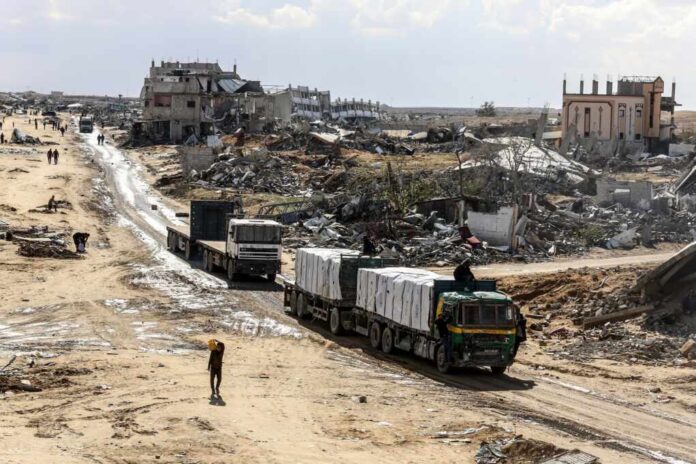
Amid the ongoing conflict in Gaza, deaf individuals face heightened risks as they struggle to survive without hearing the sirens or explosions that signal imminent danger.
Story Snapshot
- Deaf Gazans face severe risks due to inability to hear warnings.
- Lack of accessible shelters and emergency protocols exacerbates danger.
- Grassroots efforts like sign language training are insufficient alone.
- Calls for disability-inclusive emergency planning in conflict zones.
Vulnerability of Deaf Gazans
In the volatile environment of Gaza, the deaf community is particularly vulnerable during bombings. Due to their inability to hear warning sirens or explosions, these individuals face significant life-threatening risks. The absence of accessible shelters and emergency protocols further compounds their danger, leaving them reliant on local sign language teachers for survival strategies. Despite these efforts, the lack of systemic support highlights a broader failure in disability-inclusive emergency planning.
Around 15,000 deaf people live in Gaza, facing unique challenges under constant attacks, unable to hear bombings & gunfire—putting their lives in greater danger.
We’re grateful to Bjoern Blumeier, ambassador for donation deaf gaza & president of miss mister deaf universe, for… pic.twitter.com/NDo607zeBT
— Global Sumud Flotilla (@GlobalSumudFlot) August 23, 2025
Background of the Conflict
The Gaza Strip has been a focal point of conflict between Israel and Palestinian groups, with notable escalations occurring in 2008, 2014, and again from October 2023 onward. The latest conflict began following Hamas attacks on Israel, prompting a large-scale Israeli response. This has resulted in widespread destruction, civilian casualties, and the collapse of essential services, including healthcare and infrastructure. The ongoing blockade exacerbates these issues, severely limiting access to medical care and safe shelter for all, including the disabled.
Gaza hosts a significant community of people with disabilities, and the deaf are among the most marginalized. Past conflicts have similarly exposed their heightened risks, but the current intensity and health system collapse have worsened their vulnerabilities. Efforts by NGOs, like the Atfaluna Society for Deaf Children, aim to provide education and advocacy, but these initiatives are insufficient without broader support.
Watch: DEAF GAZANS EVERYDAY STRUGGLE | Deaf Awareness Month 2025 – YouTube
Urgent Need for Inclusive Emergency Protocols
Disability advocates and humanitarian organizations are calling for urgent reforms to ensure inclusive emergency protocols. There is a pressing need for assistive devices and accessible information systems to aid deaf individuals during crises. While some grassroots initiatives, such as community-wide sign language training, offer limited support, they cannot substitute for comprehensive policy changes. The deaf community’s plight underscores the need for international action and policy reform to address these systemic gaps.
The ongoing humanitarian crisis in Gaza highlights the broader failures of disability-inclusive planning in conflict zones. The absence of systemic accommodations means that deaf Gazans continue to face disproportionate risks, with grassroots efforts remaining a temporary and insufficient solution.
Sources:
2025 Gaza Strip aid distribution killings
How Gaza is even more dangerous when you can’t hear
Gaza: Israeli attacks, blockade devastating for people with disabilities
We cannot hear sirens: Standing with Gaza’s deaf community amidst genocide and starvation
Israeli bombing of the Gaza Strip