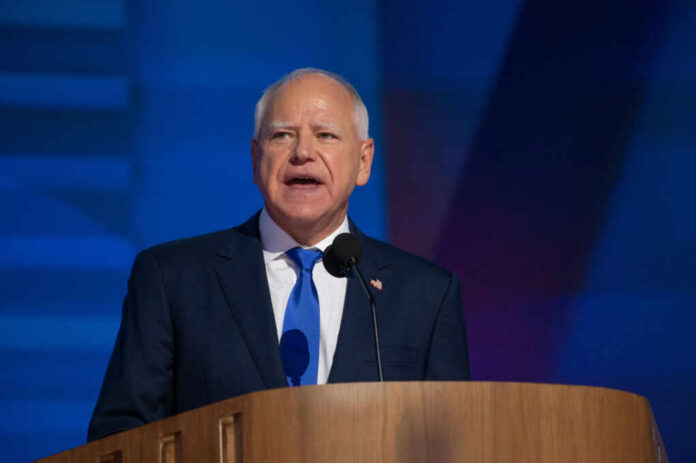
Minnesota Governor Tim Walz announced a $10 million state-funded bailout for businesses claiming economic losses tied to federal ICE enforcement operations, sparking controversy over whether taxpayers should foot the bill for chaos in a sanctuary state.
Story Highlights
- Walz allocates $10 million in state forgivable loans to businesses claiming losses from ICE Operation Metro Surge
- Economic damage stems from fear-driven boycotts in immigrant communities, not mob violence, despite misleading characterizations
- Twin Cities businesses report $46 million in losses and 30-40% revenue drops during heightened immigration enforcement
- Federal operation deployed over 3,000 agents, exceeding local police forces, triggering protests and state lawsuits against ICE tactics
State Bailout Follows Federal Immigration Crackdown
Governor Tim Walz unveiled $10 million in state forgivable loans targeting Twin Cities businesses impacted by Operation Metro Surge, the Trump administration’s massive immigration enforcement operation that began in December 2025. The funds, ranging from $2,500 to $25,000 per business, reinstate an emergency program originally used during COVID-19 lockdowns. Walz described the federal operation as an “unprecedented federal invasion,” framing state intervention as necessary economic relief. The Latino Economic Development Center documented 92 affected businesses, with 30 temporarily closed and four shuttered permanently, identifying $4.48 million in immediate grant requests that dwarf available state resources.
Fear-Based Economic Collapse in Immigrant Corridors
Business owners along Lake Street and surrounding immigrant-heavy neighborhoods reported devastating revenue losses during the ICE surge. Centromex grocery store experienced 30-40% sales drops as fear spread through Latino communities about potential detentions. The Lake Street Council estimated $46 million in total economic losses across the corridor as workers stopped commuting and customers avoided public spaces. Business owner Henry Garnica told reporters fear persists despite signals of federal drawdown, with recovery expected to take months. These losses resulted from enforcement presence and community fear rather than physical property damage, contradicting narratives of mob-caused destruction.
Operation Metro Surge Triggers Unprecedented Federal Presence
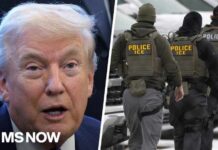
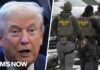
The Trump administration deployed over 3,000 ICE and Border Patrol agents to Minnesota’s Twin Cities, a force exceeding the combined Minneapolis-St. Paul police departments. Border Czar Tom Homan oversaw the operation targeting sanctuary jurisdictions, resulting in over 4,000 arrests by late January 2026. The surge included controversial tactics that prompted Minnesota Attorney General Keith Ellison to file lawsuits alleging unlawful detentions of citizens, asylum seekers, and illegal stops. Fatal shootings by ICE agents, including the death of Renee Good on January 7, intensified protests and legal challenges. Vice President JD Vance visited Minneapolis urging local cooperation while the DOJ opened civil rights probes into church disruptions by protesters.
State Funds Versus Federal Accountability Questions
The $10 million bailout comes entirely from state coffers, not federal taxpayers, addressing a key factual distinction in public debate. Walz acknowledged the funds represent only a “small piece” of recovery needs while signaling potential legislative action for business protections. Critics question why Minnesota taxpayers should absorb economic fallout from federal enforcement in a state whose sanctuary policies attracted illegal immigration. The financial burden highlights tensions between state resistance to immigration enforcement and economic consequences for communities built around undocumented populations. Business advocates like LEDC’s Alma Flores called the aid a necessary “first step” but emphasized private sector needs remain far higher than state capacity.
Conservative observers note the irony of sanctuary state leaders demanding relief after years of policies encouraging illegal immigration and obstructing federal law enforcement. The episode underscores how progressive immigration stances create economic dependencies that burden taxpayers when enforcement finally arrives. As Operation Metro Surge winds down following Homan’s negotiations with Walz, Minnesota faces a slow recovery process complicated by ongoing federal investigations into state officials for alleged obstruction. This situation serves as a cautionary example of how sanctuary policies generate hidden costs that surface during inevitable enforcement actions, leaving law-abiding taxpayers holding the bill.
Sources:
Gov. Walz announces aid for businesses impacted by Operation Metro Surge – CBS Minnesota
Wisconsin adds support to lawsuit asking ICE to back down in Minnesota – Wisconsin Public Radio
Anti-ICE protest at Minnesota church leads to 3 arrests, but no charges for a journalist – WGBH