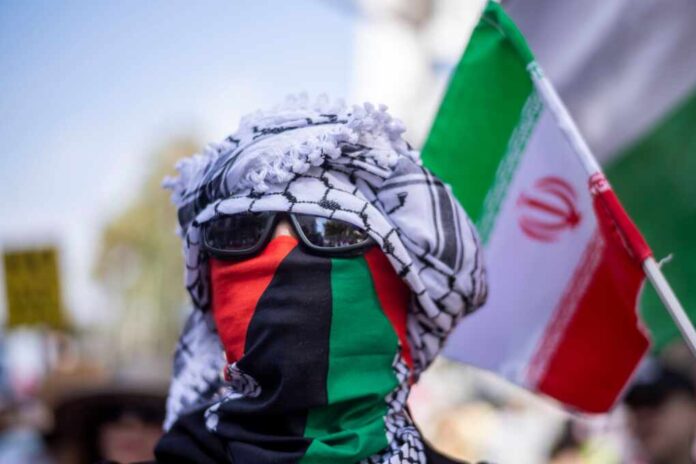
A candlelight vigil near the White House highlights the brutal crackdown on Iranian protesters, igniting a call for action among American conservatives.
Story Highlights
- Iranian-Americans held a vigil near the White House to honor protesters killed in Iran.
- The event emphasized grassroots resistance and rejected monarchy restoration.
- Protests in Iran stem from long-standing economic grievances and oppressive governance.
- U.S. sanctions and pressure continue as the Iranian regime struggles to maintain control.
Iranian-Americans Rally for Change
On January 16, 2026, Iranian-Americans gathered in Lafayette Square near the White House to hold a candlelight vigil for over 3,000 protesters killed in Iran. The event, organized by groups like the Organization of Iranian-American Communities (OIAC), highlighted the human cost of the Iranian regime’s brutal crackdown on anti-government demonstrations. Participants displayed photos of victims and chanted for regime change, rejecting any return to monarchy and emphasizing the power of people’s resistance.
The vigil underscores a broader movement within the Iranian diaspora, advocating for democracy and freedom in their homeland. The recent protests in Iran, sparked by economic grievances and exacerbated by oppressive government tactics, have seen a significant response from global Iranian communities. The diaspora’s solidarity amplifies the call for change, prioritizing the voices of those suffering under the regime’s rule.
Watch:
Protests and Crackdowns in Iran
Beginning with a Tehran bazaar shutdown on December 28, 2025, the protests in Iran quickly escalated into mass demonstrations demanding the overthrow of the clerical regime. The government’s response has been severe, employing internet blackouts and violent crackdowns to stifle dissent. Despite temporary suppression, analysts suggest the regime’s position is unsustainable, with potential for renewed protests and greater international scrutiny.
U.S. President Donald Trump has maintained pressure on Iran, monitoring the situation closely and threatening intervention if executions of protesters proceed. While Iran denies plans for mass executions, the international community remains vigilant, with sanctions targeting Iranian officials responsible for human rights abuses.
International Implications
The crackdown in Iran has drawn widespread condemnation, not just from Iranian communities but also from Western governments and human rights organizations. The ongoing unrest threatens to destabilize the region further, as economic sanctions and diplomatic pressure continue to mount. The U.S.’s approach, balancing sanctions with diplomatic efforts, aims to support the Iranian people’s fight for freedom while avoiding escalation into broader conflict.
As the situation unfolds, the world watches closely, aware that the outcome could significantly impact not only Iran’s future but also the geopolitical landscape of the Middle East. The resolve of the Iranian people, supported by their diaspora, remains a crucial factor in the struggle for democracy and human rights in the region.
Sources:
Japan Times – Iran protest movement subsides
WTOP – DC holds vigil for Iranian protesters
Irish Times – Iranian leader acknowledges thousands killed in anti-government protests
Times of Israel – Deadly crackdown appears to have quashed Iran protests, residents say