

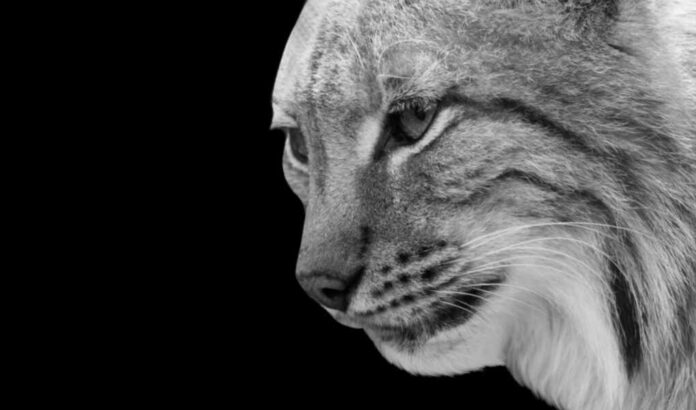
In a remarkable twist of nature, a rare white Iberian lynx, thought extinct, has been photographed in Spain, challenging the boundaries of wildlife conservation.
Story Highlights
- A white Iberian lynx, dubbed the “white ghost,” was captured on camera in southern Spain.
- This lynx is a striking symbol of conservation success, transitioning from near extinction to a thriving population.
- Scientists are investigating the reasons behind the lynx’s unusual white coat.
- The discovery underscores the critical role of citizen scientists in wildlife monitoring.
The Unexpected Discovery in Southern Spain
In an unexpected development, a tourist and amateur photographer, Ángel Hidalgo, managed to capture images of a white Iberian lynx in the Mediterranean forests near Jaén, southern Spain. This extraordinary animal, unlike its typical tawny-brown counterparts, boasts a snow-white coat with dark spots, earning it the nickname “white ghost of the Mediterranean forest.” Conservationists are now studying this rare occurrence to determine the factors causing this unique pigmentation.
The sighting of this white lynx comes as a remarkable testament to the success of conservation efforts that have been in place since the early 2000s. At that time, the Iberian lynx population had dwindled to fewer than 100 individuals, placing it among the most endangered cat species worldwide. Through concerted efforts including captive breeding and habitat restoration, the population has not only stabilized but also grown, allowing unique phenomena like the white lynx to emerge.
Watch:
The Role of Citizen Science and Technology
This discovery highlights the pivotal role citizen scientists play in wildlife conservation. Hidalgo’s use of camera traps near Jaén has provided valuable data that might have otherwise gone unnoticed. The ability of amateurs to contribute to scientific research is increasingly recognized, especially with the advent of affordable and effective monitoring technology. Such contributions not only aid in conservation but also enhance public engagement and awareness about the species’ plight and recovery.
In addition to this unique sighting, another female lynx in the same region exhibited temporary white coloration before returning to its normal hue. This suggests a broader pattern that scientists are keen to understand, potentially linked to genetic or environmental factors. The ongoing research by the Life Lynxconnect project aims to uncover these mysteries, ensuring the continued survival and prosperity of the Iberian lynx.
Implications for Conservation and Biodiversity
The emergence of the white Iberian lynx serves as a powerful symbol of both the successes and ongoing challenges of conservation efforts. It draws attention to the intricate balance between human intervention and natural processes in preserving biodiversity. The narrative of the “white ghost” not only captivates the public imagination but also reinforces the importance of continued support for conservation initiatives.
Tourist captures unprecedented photo of rare 'white ghost' animal experts thought was extinct: 'I couldn't believe what I was seeing' https://t.co/krLBl6ylNJ
— unicorn4852 (@unicorn48521) December 7, 2025
As the scientific community delves deeper into understanding the causes of this rare pigmentation, the story of the white lynx provides a compelling case study for global biodiversity discussions. It emphasizes the need for sustained efforts to protect habitats and adapt to changing environmental conditions, ensuring that the successes seen with the Iberian lynx are replicated across other endangered species.
Sources:
Tourist captures unprecedented photo of rare ‘white ghost’ animal experts thought was extinct
New species of tiny glowing lanternshark and ghost-like crab discovered in deep sea