Senate Democrats blocked a federal mandate requiring photo ID for voting, defeating Republican efforts to impose nationwide citizenship verification standards that would fundamentally transform American election procedures—yet another broken promise in a second term marred by foreign entanglements and domestic gridlock.
Story Snapshot
- The SAVE Act passed the House 218-213 along strict party lines but faces Democratic filibuster in the Senate
- Federal courts have already begun blocking portions of the legislation before Senate consideration
- The bill requires documentary proof of citizenship rather than attestation, eliminates mail-only registration, and threatens election officials with criminal penalties
- Republicans lack the 60 votes needed to overcome filibuster, and Senate leadership admits insufficient support to eliminate the threshold
House Passage Masks Senate Reality
The Safeguard American Voter Eligibility Act cleared the House on a Wednesday evening with all Republicans supporting and all but one Democrat opposing the measure. President Trump pushed Congress to act on the legislation, framing it as essential election security reform. However, the 218-213 vote represented the high-water mark for the bill. Senate Majority Leader John Thune acknowledged Republicans lack sufficient support to eliminate the filibuster’s 60-vote threshold, effectively conceding the measure faces insurmountable procedural obstacles despite controlling the chamber.
Unfunded Mandates and Criminal Penalties
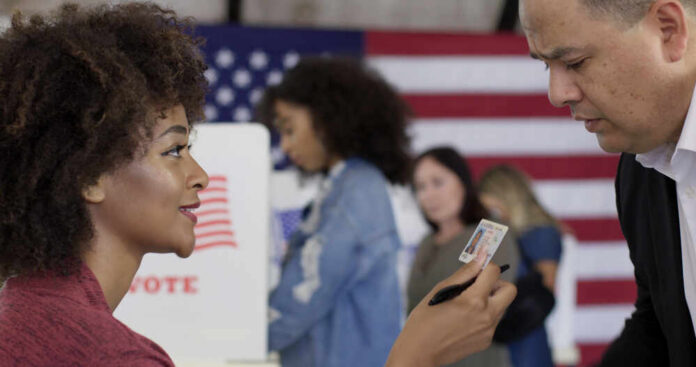
The legislation requires voters to provide documentary proof of citizenship—birth certificates, passports, or REAL ID—rather than attesting to citizenship under oath as current federal law permits. The bill eliminates mail-only voter registration and mandates states undertake new procedures to remove noncitizens from existing voter rolls. Critics identified a fatal flaw: the federal government provides zero funding for implementation while imposing criminal penalties on election officials who fail to properly execute the mandates. This structure creates an unfunded federal takeover of state election systems without resources to accomplish the mission.
Federal Courts Block Implementation
Before the Senate could even consider the measure, federal courts began blocking aspects of the bill from moving forward. The judicial intervention suggests constitutional concerns about specific provisions, though details of the rulings remain unclear. The League of Women Voters opposed the legislation as unnecessary, particularly citing practical problems for voters who have changed their names. Democrats characterized the measure as voter suppression designed to restrict access rather than legitimate security reform. Senate Democrats assured they would not agree to place the bill on the floor for consideration, positioning themselves to sustain a filibuster.
Broader Implications for Conservative Voters
The SAVE Act represents the first federal mandate requiring photo ID in all states, a significant expansion of federal authority over election administration traditionally managed by states. While election security resonates with conservative principles, the bill’s structure—unfunded mandates, criminal penalties for officials, and federal courts already blocking provisions—raises questions about effective governance. Americans frustrated with endless foreign wars, broken promises about keeping the country out of new conflicts, and high energy costs now watch another legislative initiative falter. The party-line vote and Senate gridlock demonstrate Washington dysfunction persists regardless of which party controls the levers of power, leaving voters questioning whether their priorities receive genuine attention or merely symbolic gestures.
The bill would affect eligible voters lacking required documentation, election officials facing criminal prosecution for implementation failures, and state governments forced to overhaul registration systems without federal funding. The broader shift from state-based election systems to uniform federal mandates represents a fundamental change in how Americans vote, though the measure’s ultimate fate appears sealed by Democratic opposition and judicial intervention before Senate consideration could meaningfully proceed.
Sources:
Senate prepares test vote on SAVE Act – Fox Business