
The U.S. capture of Nicolás Maduro marks a pivotal move in international law enforcement, stirring global debate.
Story Highlights
- U.S. Ambassador Michael Waltz defends the capture of Nicolás Maduro as a necessary action.
- The operation followed exhaustive diplomatic efforts, according to Waltz.
- Maduro faces narco-terrorism charges in a U.S. court.
- This event sets a striking precedent in U.S.-Venezuela relations.
Waltz Defends U.S. Actions at the UN
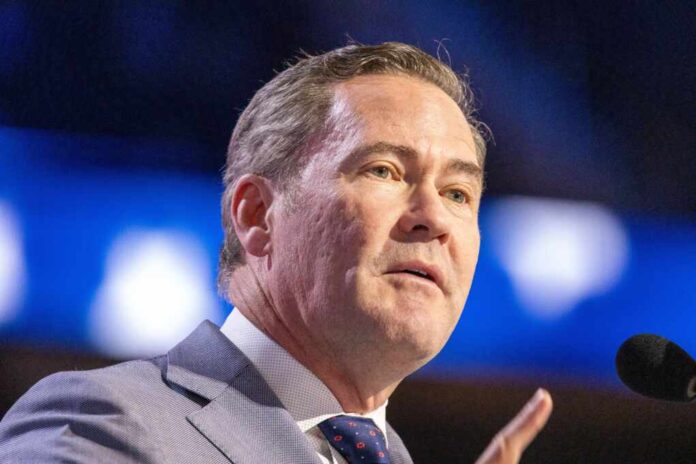
On January 5, 2026, U.S. Ambassador to the United Nations Michael Waltz publicly defended the capture of Venezuelan President Nicolás Maduro, describing it as a justified law enforcement operation in the national interest. Waltz emphasized that the United States had exhausted all diplomatic and peaceful options before resorting to this decisive action. This defense was made during a UN meeting where Waltz articulated the legality and necessity of the operation.
The capture of Maduro, a major figure in Venezuelan politics, represents a significant escalation in the strained relationship between the United States and Venezuela. The operation and subsequent legal proceedings in U.S. courts mark a historical moment, illustrating the U.S. government’s commitment to addressing alleged narco-terrorism activities linked to Maduro. The implications of this event extend beyond legal boundaries, raising questions about international law and sovereignty.
Watch:
Legal Proceedings and Diplomatic Reactions
Following his capture, Nicolás Maduro appeared in a New York court, where he pleaded not guilty to charges of narco-terrorism. The U.S. government pursues these charges as part of a broader strategy to combat drug trafficking networks allegedly tied to Maduro’s regime. This aggressive legal approach underscores the seriousness with which the U.S. views these allegations and its commitment to holding foreign leaders accountable for criminal activities that threaten global security.
Internationally, the capture has sparked widespread debate. Critics argue that such actions could set a dangerous precedent for international relations, potentially leading to increased tensions between nations. However, supporters of the U.S. stance highlight the necessity of taking firm action against those who violate international laws and threaten global peace.
Implications for U.S. Foreign Policy and Global Relations
The operation against Maduro sends a clear message about the United States’ willingness to take decisive action against foreign leaders perceived as threats to national and global security. This move may influence how other nations approach similar situations with adversarial leaders, possibly leading to a reevaluation of international norms regarding the apprehension of foreign nationals.
In the short term, Maduro’s capture and legal proceedings could lead to increased political instability in Venezuela, as the country grapples with leadership uncertainty. Additionally, this event may affect regional stability in Latin America, prompting neighboring countries to reassess their diplomatic and security strategies in light of the evolving geopolitical landscape.
Mike Waltz Explains How the United States Captured Nicolás Maduro https://t.co/jebyH4f38S via @YouTube
— Ivy Adams (@burgcats) January 6, 2026
Sources:
ABC News (January 5, 2026): Official news report on Waltz’s UN statement
Fox News: Video report on Waltz’s characterization of the operation