Trump’s ambitious $100 billion Venezuela oil plan crashes into harsh industry reality as major executives brand the war-torn nation “uninvestable,” exposing a dangerous gamble with American energy security and taxpayer interests.
Story Highlights
- ExxonMobil CEO declares Venezuela “uninvestable” despite Trump’s $100 billion reconstruction push
- President demands oil companies fund massive rebuilding while maintaining personal control over crude revenues
- Industry executives express deep skepticism about political stability and legal frameworks in post-Maduro Venezuela
- Plan requires severing Venezuelan ties with China, Russia, and Iran in favor of exclusive U.S. partnership
Industry Pushback Against Presidential Vision
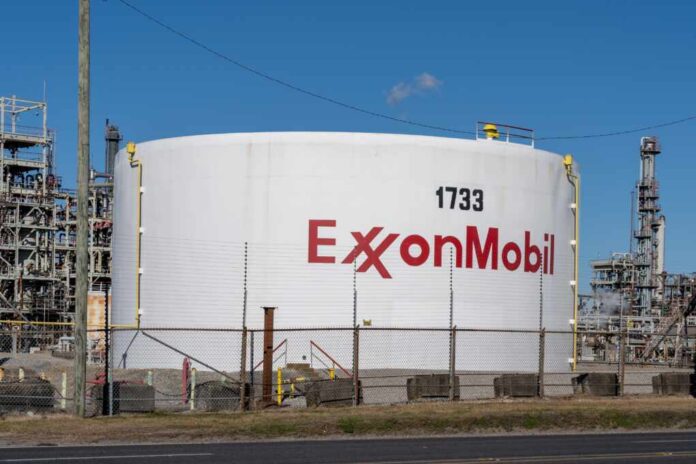
President Trump’s East Room meeting with nearly 20 oil executives revealed stark divisions between White House ambitions and corporate reality. ExxonMobil CEO Darren Woods delivered blunt criticism, labeling Venezuela “uninvestable” under current conditions. Major oil companies including Chevron, ConocoPhillips, Shell, and Marathon emphasized the need for legal clarity and political stability before committing billions. This skepticism undermines Trump’s promise that “giant oil companies” will spend at least $100 billion of private capital to rebuild Venezuela’s collapsed infrastructure.
Presidential Control Raises Constitutional Concerns
Trump’s plan to personally oversee Venezuelan oil revenues through U.S.-controlled accounts represents unprecedented executive overreach. The President announced that Venezuela’s interim authorities will transfer 30-50 million barrels of crude to American control, with proceeds managed in U.S. bank accounts under his direct supervision. Harvard economist Ricardo Hausmann warns this “profit motive” governance structure risks corruption and misaligned incentives. Such direct presidential control over foreign oil revenues lacks constitutional precedent and threatens American principles of limited government and separation of powers.
Watch:
Energy Security vs. Geopolitical Gamble
While Trump promises lower gasoline prices and increased American energy dominance, the Venezuela venture represents a risky departure from proven domestic energy success. U.S. shale production already provides energy independence without foreign entanglements. Venezuelan heavy crude requires complex, expensive upgrading technology and multi-billion-dollar commitments in an unstable political environment. The plan demands Venezuela sever all economic ties with China, Russia, and Iran, potentially triggering broader geopolitical conflicts that could destabilize global energy markets and harm American consumers.
Military Force Sets Dangerous Precedent
The capture of Nicolás Maduro through military action establishes a troubling precedent for resource seizure under humanitarian pretexts. Senator Chris Murphy correctly identifies this as “stealing Venezuelan oil at gunpoint,” raising serious questions about international law and American credibility. Critics warn the approach resembles colonial-era resource extraction rather than legitimate diplomatic engagement. This militarized energy policy could provoke retaliation against American interests worldwide while undermining conservative principles of non-interventionism and constitutional governance. The plan’s reliance on force over free market solutions contradicts fundamental American values.
Sources:
Trump announces $100B oil investment plan for Venezuela following Maduro’s capture
Trump pitches oil companies on plan for Venezuela: Analysis
Harvard economist Ricardo Hausmann on Venezuela Trump profit motive corruption
Trump’s military intervention in Venezuela serves big oil, not the American people