President Trump’s symbolic “pardon” of Colorado election clerk Tina Peters exposes a stunning constitutional reality: even presidential power cannot override state sovereignty when it comes to criminal convictions.
Story Overview
- Trump granted a “full pardon” to former Mesa County Clerk Tina Peters, calling her a patriot targeted by Democrats
- Peters remains imprisoned on a nine-year state sentence for facilitating a voting system data breach in 2021
- Constitutional experts confirm presidential pardons only apply to federal crimes, not state convictions
- Colorado Governor Polis emphasizes Peters was prosecuted by a Republican DA and convicted by a jury under state law
- The case highlights ongoing tensions between federal political messaging and state judicial independence
Presidential Pardon Meets Constitutional Limits
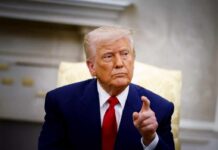
Trump announced on December 12, 2025, that he was granting Peters a “full pardon” for her efforts to expose supposed voter fraud in the 2020 election. The president called Peters a “patriot” who had been relentlessly targeted by Democrats for trying to ensure fair elections. However, legal experts immediately clarified that this presidential action carries no legal weight regarding Peters’ imprisonment, as the Constitution limits presidential clemency to federal offenses only.
Peters was convicted in Colorado state court for orchestrating a voting system data breach in 2021, where she allowed an unauthorized individual affiliated with MyPillow CEO Mike Lindell to access secure election equipment. The breach involved criminal impersonation and facilitating misuse of security cards, all violations of Colorado state law rather than federal statutes.
State Authority Stands Firm Against Federal Pressure
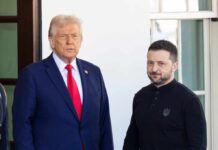
Colorado Governor Jared Polis responded swiftly to Trump’s announcement, emphasizing that Peters “was convicted by a jury of her peers, prosecuted by a Republican district attorney, and found guilty of violating Colorado state laws.” Polis stated definitively that no president has jurisdiction over state law nor the power to pardon state convictions, declaring this a matter for courts to decide.
The bipartisan nature of Peters’ prosecution undermines claims of purely partisan persecution. A Republican district attorney brought the charges, and a Colorado jury rendered the guilty verdict after examining evidence of her role in compromising election security protocols. This demonstrates that election integrity enforcement transcends party lines when officials violate their oath of office.
Federalism Protects State Criminal Justice Systems
The Peters case showcases American federalism in action, where state sovereignty over criminal law remains insulated from presidential interference. Constitutional scholars consistently affirm that no serious legal theory supports presidential authority to free state inmates through unilateral pardons. This separation ensures states retain decisive legal power over their justice systems, even under intense national political pressure.
Peters’ situation differs markedly from Trump’s pardons of January 6 defendants, who faced federal charges within presidential clemency authority. As a sitting county clerk who used official access to facilitate unauthorized election system breaches, Peters represents inside-the-system subversion rather than street-level protest. Her nine-year sentence, handed down in October 2024, sends a clear message that election officials face serious consequences for compromising security protocols, regardless of political motivations.
Sources:
Trump pardons jailed US election denier – France 24
Trump pardons jailed US election denier – Breitbart