President Trump’s masterful handling of the TikTok ban delivers a decisive national security victory, securing American control and debunking leftist myths of failure.
Story Highlights
- Trump’s executive orders delayed enforcement, enabling a U.S. sale of TikTok operations on January 22, 2026, protecting 170 million users and billions in economic value.
- Supreme Court upheld the ban law, affirming Congress’s authority against Chinese data threats from ByteDance.
- No evidence of tech investors suing over ban violations; rumors debunked amid successful divestiture.
- DOJ shielded app stores, ensuring smooth transition without disruption—true leadership in action.
TikTok Ban Origins and National Security Imperative
National security concerns over ByteDance’s Chinese ownership drove U.S. efforts to ban TikTok, starting with President Trump’s 2020 executive orders. These required divestiture within 45-90 days to prevent Beijing from accessing American user data. Courts paused enforcement then, but Congress revived action with the 2024 PAFACAA law, mandating sale by January 19, 2025, or a full ban. This addressed risks of data harvesting exploited by the Chinese Communist Party, prioritizing American sovereignty over foreign influence.
Supreme Court Victory and Trump’s Strategic Delays
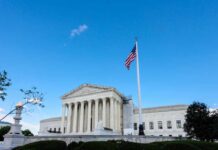
The Supreme Court upheld PAFACAA on January 17, 2025, rejecting TikTok’s First Amendment claims and confirming divestiture as feasible. President Trump, upon taking office, issued multiple executive orders delaying enforcement: first on January 20 for 75 days, then extensions through April 4, June 19, September 16, and finally September 25 announcing a deal until January 22, 2026. These actions cited presidential foreign affairs powers, overriding rigid timelines for a negotiated U.S. ownership solution.
Successful Sale and Resolution Without Litigation
TikTok USDS Joint Venture LLC formed on January 22, 2026, acquiring U.S. operations and fulfilling the ban’s security goals. Attorney General Pam Bondi and DOJ issued letters on July 3, 2025, assuring tech firms like Apple and Google no prosecution for hosting TikTok during transition. No verified reports exist of tech investors suing the administration for ban violations; such claims remain unsubstantiated as of March 2026, contrasting with 2020 lawsuits by TikTok itself.
Impacts Affirming Conservative Priorities
The resolution preserved a $24 billion ad revenue ecosystem and access for 170 million users, avoiding economic chaos from abrupt shutdowns. ByteDance lost U.S. control, reducing China data risks and setting precedent for decoupling from adversarial tech. Congressional figures like Rubio and Cotton pushed the law, but Trump’s deal delivered results amid transparency calls from critics like the Center for American Progress. This bolsters limited government through executive efficiency.
https://www.iowapublicradio.org/news-from-npr/2026-03-05/president-trump-pam-bondi-sued-over-sale-of-tiktok-assets
Stakeholder Roles and Broader Implications
Key players included Trump negotiating the sale, Supreme Court providing judicial backing, and DOJ enabling orderly handover. Tech firms gained liability protection, while ByteDance divested under pressure. Long-term, this heightens scrutiny on apps like WeChat and advances merit-based security over globalist openness. Conservatives celebrate shielding families and values from foreign surveillance, proving decisive action trumps Biden-era inaction.
Sources:
Congress Must Demand the Full Details of the TikTok Deal
Donald Trump–TikTok controversy
Efforts to ban TikTok in the United States
The TikTok Deal Leaves Many Questions Unanswered
Saving TikTok While Protecting National Security