Britain’s prime minister is betting UK jobs and travel access on friendlier terms with Beijing—without clear timelines, and with the usual unanswered questions about leverage and accountability.
Story Snapshot
- UK Prime Minister Keir Starmer says he made “really good progress” with China on reducing whisky tariffs after a recent hike that coincided with a sharp drop in UK exports to China.
- China is expected to allow 30-day visa-free travel for UK citizens, but start dates and implementation details remain undecided.
- London and Beijing agreed to pursue a feasibility study for a bilateral services agreement as Starmer traveled with a large business delegation.
- Talks also included cooperation on irregular migration, including information-sharing related to small boats and engine parts.
What Starmer Says He Won in Beijing
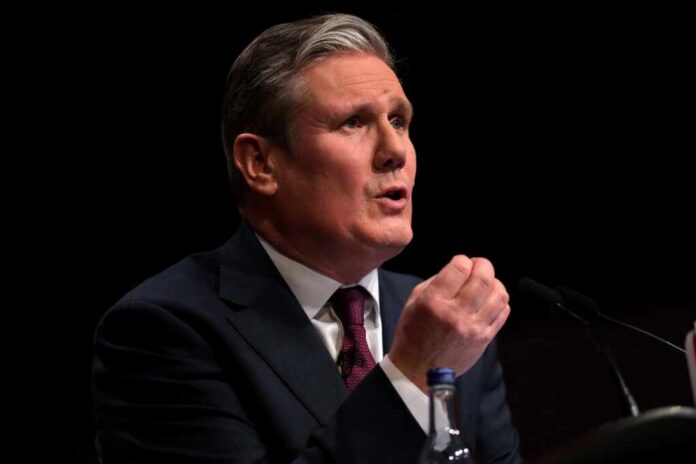
UK Prime Minister Keir Starmer met Chinese President Xi Jinping at Beijing’s Great Hall of the People and later announced progress on two headline items: whisky tariffs and travel access. Starmer said both sides agreed to work through how whisky tariffs would be reduced and what the timeframe would look like. He also said China will move toward 30-day visa-free travel for UK citizens, though the start date remains to be determined.
Starmer’s meeting matters because it was the first visit by a UK prime minister to China since 2018. The UK framed the trip as practical economic diplomacy aimed at delivering “real outcomes” for exporters and service-sector firms. The Chinese side signaled openness but used careful language—such as saying it would “actively consider” the visa-free arrangement—leaving London’s announcements dependent on follow-through and the details still to come.
Watch:
Whisky Tariffs: The Economic Pressure Point
Whisky is a politically sensitive export for the UK because it connects directly to high-value manufacturing, regional jobs, and a globally recognized brand—especially in Scotland. The tariff issue stems from a Chinese import tariff increase in 2025 that the research links to a 31% drop in UK exports to China last year. While sources describe “good progress,” they also make clear that no final numbers or dates have been published for the tariff reduction.
One uncertainty comes from how the tariff change is described across coverage. The research indicates the tariff was doubled to 10% from 5%, but it also notes at least one apparent typo in an account of the baseline rate. That discrepancy does not change the core point: tariffs rose, exports fell, and Starmer is now seeking relief. For businesses, the difference between a promise of talks and an enforceable policy shift is everything.
Visa-Free Travel: Convenience Now, Guardrails Later
On visas, Starmer’s team is emphasizing practical benefits: faster short-term travel for business meetings, services deals, and trade missions. The reporting says China’s 30-day visa-free travel would align the UK with a list of countries already receiving similar treatment. The missing pieces are the operational details—when it begins, who qualifies, and whether there are limits or conditions that could be tightened later depending on political winds between London and Beijing.
From a conservative perspective, the lesson is straightforward: visa policy is leverage. When a major power offers easier entry, it is rarely charity; it is usually a tool to encourage commerce, influence, and long-term interdependence.
Services Trade: A Bigger Deal Than Whisky—If It Becomes Real
Starmer arrived with a business delegation reported at 54 representatives and pushed a feasibility study for a bilateral services agreement. UK Business and Trade Secretary Peter Kyle promoted “huge growth opportunities” across sectors such as legal services, finance, health, and education. The research cites projections that Chinese imports of certain UK services could grow sharply by 2035, positioning services as the strategic prize far beyond any single product category.
Still, a feasibility study is not a signed agreement, and it does not settle long-running concerns about market access, regulatory risk, and whether UK firms can compete on fair terms inside China.
Irregular Migration Cooperation Adds a Complication
Beyond trade and visas, Starmer’s talks included cooperation on irregular migration, with references to information-sharing related to small boats and engine parts. The reporting does not detail what Beijing agreed to do, what data would be exchanged, or how it would be verified. That leaves the public unable to judge effectiveness, privacy implications, or whether the effort is primarily symbolic diplomacy tied to the broader reset in UK-China relations.
Migration enforcement—and any cross-border information arrangements—works best when goals are measurable and oversight is transparent. The sources show discussions, not a published operational plan.
🇬🇧 🇨🇳 British PM says 'good progress' with China on whisky tariffs, visas
Britain's Prime Minister Keir Starmer says "really good progress" has been made on issues including whisky tariffs and visa-free travel after meeting with China's leader Xi Jinping in Beijing. pic.twitter.com/JvhnudUmUy
— AFP News Agency (@AFP) January 29, 2026
Starmer is selling a “mature” and “sophisticated” reset, but the measurable outcomes are still pending: tariff reductions with no stated schedule, visa-free travel without a start date, and a services “feasibility study” that may or may not translate into enforceable market access.
Sources:
UK citizens to get 30 days visa-free travel to China
UPDATE: UK PM says ‘good progress’ made on tariffs in China talks
UPDATE: UK PM says ‘good progress’ made on tariffs in China talks