The Supreme Court’s recent ruling on the U.S. Preventive Services Task Force raises questions about its independence under new political oversight.
Story Overview
- The Supreme Court upheld the USPSTF’s appointment process, maintaining its role in preventive health services.
- HHS Secretary now has the authority to remove USPSTF members, raising concerns about politicization.
- Over 100 million Americans rely on USPSTF-recommended no-cost preventive services.
- Medical groups are relieved by the ruling but wary of future political interference.
Supreme Court Decision and Its Implications
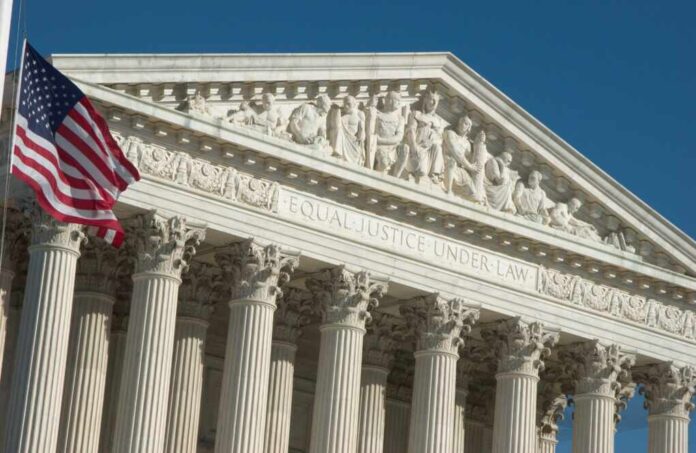
In July 2025, the Supreme Court upheld the constitutionality of the U.S. Preventive Services Task Force’s (USPSTF) appointment process and its recommendations under the Affordable Care Act (ACA). This decision ensures ongoing access to preventive services without cost-sharing for millions. However, the ruling also grants the Secretary of Health and Human Services (HHS) the power to remove USPSTF members and reject their recommendations, sparking concerns about potential political influence over the Task Force’s decisions.
Why the U.S. Preventive Services Task Force is essential to saving lives https://t.co/xA2XasIz3x #Policy #PublicHealthPolicy via @kevinmd
— Kevin Pho, M.D. (@kevinmd) August 18, 2025
Historical Context and Legal Challenges
The USPSTF, established in 1984, plays a pivotal role in reviewing clinical evidence and making recommendations on preventive services. It gained significant influence after the ACA mandated coverage for its recommended services. Recent legal challenges focused on the Task Force’s authority, particularly concerning HIV prevention drugs (PrEP). The Fifth Circuit Court previously found the appointment process unconstitutional but limited the impact to specific plaintiffs. The Supreme Court’s decision, therefore, marks a critical moment in preserving the ACA’s preventive services mandate.
Watch:
Concerns About Future Political Influence
The ruling introduces new dynamics in the oversight of the USPSTF, as the HHS Secretary now has explicit authority to influence its membership and recommendations. This has raised alarms among public health advocates who fear that the Task Force’s scientific independence could be compromised. Protecting the integrity of evidence-based recommendations remains a key focus for stakeholders going forward.
Overall, while the Supreme Court’s decision is seen as a victory for maintaining preventive care access, it also highlights the delicate balance between scientific independence and administrative oversight in federal health policy. The future of the USPSTF will depend significantly on how the HHS exercises its new powers and the ongoing advocacy for safeguarding the Task Force’s scientific integrity.
Sources:
Supreme Court Decision on USPSTF Produces Uncertainty
High Court Ruling Protects No-Cost Access to Preventive Care
ACA Preventive Services Supreme Court Kennedy Braidwood
Supreme Court Upholds ACA Preventive Service Requirement