A criminal charge dismissal highlights New York’s controversial gun laws, sparking debate among conservatives about Second Amendment rights.
Story Highlights
- NYC Council Member Inna Vernikov had her firearm charge dropped after a protest incident.
- The dismissal was based on the gun being inoperable, raising legal and political questions.
- The case underscores tensions between gun rights and public safety laws.
- Vernikov’s actions have ignited discussions on protest rights and selective enforcement.
Inna Vernikov’s Legal Battle: A Case of Second Amendment Rights
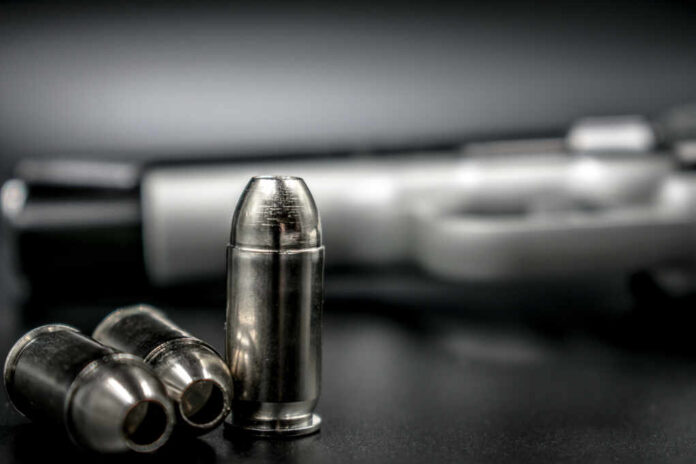
New York City Council Member Inna Vernikov, representing a south Brooklyn district, recently found herself in a legal tussle when she attended a pro-Palestinian/anti-Israel rally in October 2023, visibly carrying a holstered handgun. Despite possessing a valid concealed carry permit, Vernikov was arrested for violating New York’s law banning firearms at protests. On November 17, 2023, the Brooklyn District Attorney’s Office dropped the criminal charge, citing the gun’s inoperability, which complicated the prosecution.
The charge dismissal has led to heated discussions about the balance between gun rights and public safety. Vernikov’s case has drawn attention to New York’s Concealed Carry Improvement Act, enacted after the 2022 Supreme Court decision in N.Y. State Rifle & Pistol Ass’n v. Bruen. This law designates specific “sensitive locations” where firearms are prohibited, including protests.
Gun-toting Inna Vernikov off the hook after bringing firearm to NYC anti-Israel protest https://t.co/x44Y4mM7WG
— ConservativeLibrarian (@ConserLibrarian) December 10, 2025
Analyzing the Political and Legal Implications
Vernikov’s incident at Brooklyn College has stirred political and legal controversy. As a vocal pro-Israel advocate, her presence at the rally was seen as a counter-protest, heightening tensions. The case has highlighted perceived double standards in the enforcement of gun laws, with progressive critics arguing for consistent application, particularly when comparing how pro-Palestinian protesters have been treated.
Critics point to the dismissal as a potential example of selective enforcement, while Vernikov’s supporters emphasize the technicalities of the law, arguing that the gun’s inoperability was the key issue. The incident raises questions about the rights of individuals to bear arms in politically charged settings and the balance between safeguarding public safety and protecting constitutional rights.
The Aftermath and Broader Impact
Following the dismissal, Vernikov has retained her council seat, and no severe disciplinary actions have been reported. The City Council Standards and Ethics Committee reviewed the incident internally, but the decision not to pursue further action has left some progressive members frustrated. This case exemplifies ongoing debates about gun rights, protest laws, and political bias in legal proceedings.
As the legal environment continues to evolve, with New York’s gun laws facing ongoing constitutional challenges, the Vernikov case may serve as a pivotal point for future discussions on Second Amendment protections. For conservatives, it underscores the need to vigilantly protect individual liberties against perceived government overreach.
Watch:
Sources:
Gun charge dropped against NYC councilwoman who brought weapon to Israel war protest
Jewish NYC lawmaker Inna Vernikov cleared of criminal charge after bringing ‘inoperable’ gun to pro-Palestinian protest
Gun-toting Inna Vernikov off the hook after bringing firearm to NYC anti-Israel protest