The Trump administration is pushing forward with a 15% global tariff this week despite a Supreme Court ruling that struck down the previous tariff framework, demonstrating unwavering commitment to American economic sovereignty even when the judiciary attempts to interfere.
Story Snapshot
- Treasury Secretary Scott Bessent announces 15% global tariff implementation this week, replacing the invalidated 10% temporary rate
- Supreme Court ruling struck down prior tariff program, forcing administration to adjust legal framework while maintaining protective trade stance
- Temporary measure expected to revert within months as permanent legal structure is developed to withstand judicial scrutiny
- American consumers and businesses face immediate cost pressures from higher import duties across all trading partners
Administration Responds to Court Setback With Tariff Increase
Treasury Secretary Scott Bessent announced Wednesday that the Trump administration will implement a 15% global tariff later this week, replacing the current 10% temporary rate. The move comes directly after a Supreme Court ruling invalidated the previous tariff program for being inconsistent with existing law. Rather than retreating from protectionist trade policy, the administration is doubling down by raising rates while developing a more durable legal framework that can withstand judicial challenges from globalist-friendly courts.
Temporary Bridge Strategy to Permanent Trade Protection
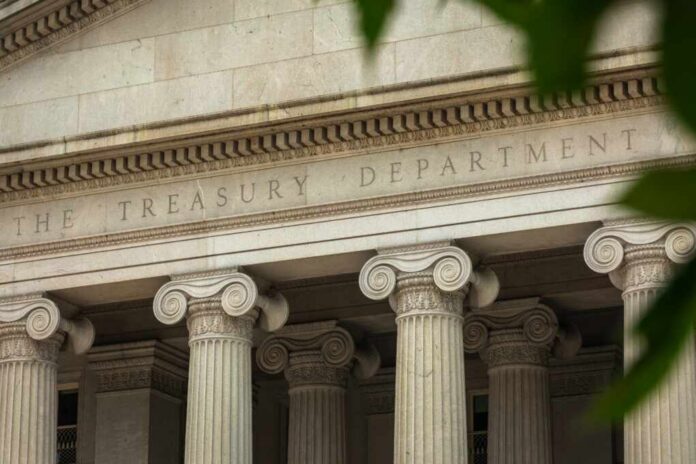
Bessent characterized the 15% rate as a temporary measure designed to maintain pressure on trading partners while legal teams construct a tariff structure that satisfies court requirements. The administration expects to revert to different levels within a few months once permanent frameworks are established. This approach reveals the administration’s determination to use every available trade tool to protect American workers and manufacturers, even when facing obstacles from unelected judges who seem more concerned with legal technicalities than economic results for hardworking Americans.
Economic Impact on American Households and Businesses
The tariff increase will immediately affect American consumers through higher import prices across all goods categories, adding to inflation concerns that stemmed from the Biden administration’s reckless spending. International companies will face decisions about absorbing costs, passing them to consumers, or restructuring supply chains away from current partnerships. Trade-linked manufacturing sectors will experience volatility as businesses adjust to the new cost structure. While short-term pain is unavoidable, the administration argues these measures are necessary to force fairer trade relationships and bring manufacturing jobs back to American soil.
The move signals geopolitical resolve to trading partners, particularly China and the European Union, that America will no longer tolerate one-sided trade arrangements that hollowed out our industrial base. Market analysts note uncertainty reflected in volatility indicators as investors digest implications of the tariff escalation. Supply chain experts predict acceleration of reshoring efforts and diversification strategies as companies seek stability amid ongoing trade policy adjustments that prioritize American interests over globalist profit maximization.
Historical Context and Trade War Continuity
This global tariff echoes President Trump’s earlier trade actions from 2018-2020, particularly Section 301 duties on China that successfully pressured unfair trading practices. However, unlike those country-specific measures, this represents a broad adjustment applying to all trading partners simultaneously. The Supreme Court’s intervention in trade policy remains rare but highlights ongoing tension between executive authority to protect American commerce and judicial limits on that power. The administration’s quick response demonstrates lessons learned from previous legal challenges to ensure trade protection continues uninterrupted.
US Treasury chief says 15% global tariff likely implemented this week https://t.co/4FhC7QCvpN
— Inquirer Business (@InquirerBiz) March 4, 2026
Treasury officials emphasize the temporary nature of the increased rate while permanent structures are built to comply with court requirements without surrendering America’s right to defend its economic interests. This situation reflects broader frustrations among conservatives who see unelected judges blocking popular policies that protect American workers from unfair foreign competition and manipulated trade relationships that benefited multinational corporations at the expense of domestic prosperity and national security.
Sources:
US Raises Tariffs to 15% – XTB Market Analysis
US to hike global tariff to 15% ‘sometime this week,’ Bessent says – Supply Chain Dive