Hawaii officials shut down a popular family beach after lifeguards spotted multiple sharks within minutes, including a massive 10-foot tiger shark prowling dangerously close to shore where children and surfers regularly play.
Story Snapshot
- Honolulu Ocean Safety closed Nānākuli Beach after spotting two sharks in five minutes, including a 10-foot tiger shark
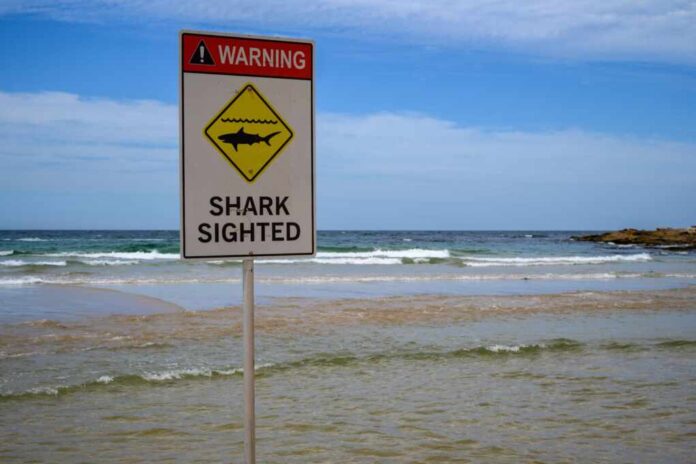
- Officials posted warning signs and conducted land and sea patrols to protect families and tourists
- The incident reflects a troubling national pattern of increased shark-human encounters due to environmental changes
- Tiger sharks are responsible for most serious bite incidents in Hawaii, making this sighting particularly concerning
Multiple Sharks Force Immediate Beach Closure
Honolulu Ocean Safety lifeguards spotted two sharks in rapid succession at Nānākuli Beach on Oʻahu’s west side, forcing authorities to immediately close water access. The first sighting involved a 7-8 foot shark, followed just five minutes later by an approximately 10-foot tiger shark in the same nearshore area. Officials deployed crews to post warning signs and began intensive land and sea patrols while keeping the public informed about the developing situation.
The closure affected a beloved recreational destination frequented by local families, swimmers, and surfers. While beachgoers could still access the sand, all ocean entry was restricted until officials deemed conditions safe. This swift response demonstrates how seriously Hawaiian authorities treat tiger shark sightings, given this species’ involvement in most serious bite incidents recorded in state waters.
Watch:
Rising Shark Activity Threatens Coastal Communities
The Nānākuli incident fits within a disturbing national trend of increased shark-human encounters driven by environmental factors beyond local control. Rapid coastal development has reduced natural shark habitat and disrupted traditional feeding patterns, pushing these predators closer to popular beaches. Meanwhile, warming ocean temperatures and resource shortages force marine animals into areas where families once felt completely safe.
California provides a stark example of this emerging threat, where juvenile white sharks have established new nurseries in Monterey Bay—territory where such activity never previously existed. These young predators typically remain in warmer southern waters, but climate change has enabled their northward expansion. Some juveniles now fail to return to traditional nursery grounds for years, permanently altering the risk profile for established beach communities.
National Shark Season Intensifies Safety Concerns
The 2025 shark season has already produced multiple concerning incidents across American coastlines, from California’s three recorded attacks to increased great white activity off Maine’s popular beaches. Tracking data shows heightened shark presence near Huntington Beach, Florida’s east coast, and New England destinations during peak tourism periods. This pattern suggests families can no longer assume their traditional beach destinations remain as safe as previous generations experienced.
Hawaii maintains systematic shark incident logs that reveal the true scope of this growing challenge, though exact attack frequencies remain statistically low compared to overall ocean use. However, the presence of large tiger sharks near family beaches represents a qualitatively different threat level that responsible authorities cannot ignore. The state’s proactive closure policies reflect recognition that prevention far outweighs reactive emergency response after incidents occur.
Sources:
Authorities issue warning after spotting multiple sharks at beloved US beach
Ready for shark season 2025? Where sharks have been spotted near popular US beaches
Shark sightings off Maine coast rise due to climate change and increased awareness
White Shark Conservation