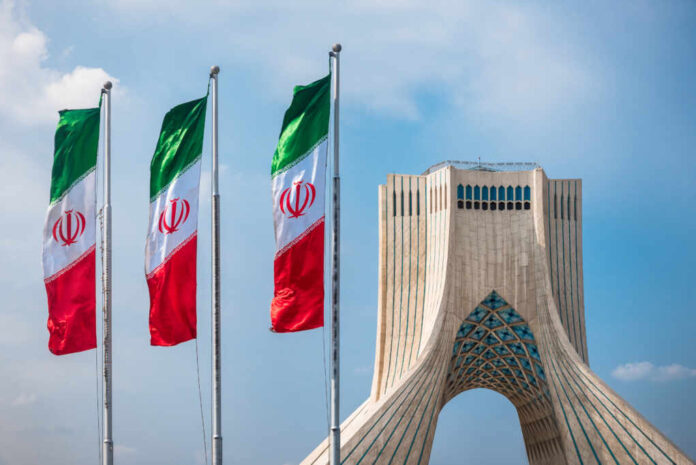
Iran’s capital city of 15 million people faces potential mass evacuation as government officials warn Tehran could run completely dry within weeks.
Story Overview
- Tehran’s main reservoir at just 8% capacity threatens total water system collapse
- President Pezeshkian warns of possible evacuation if “day zero” arrives
- Chronic government mismanagement and subsidized water policies created crisis
- International sanctions limit access to modern conservation technologies
Tehran Counts Down to “Day Zero”
Tehran stands on the brink of becoming the first major world capital to evacuate due to water scarcity. The Karaj Dam, which supplies approximately 25% of the city’s drinking water, has dropped to a catastrophic 8% capacity. Iranian President Masoud Pezeshkian has issued urgent appeals for residents to drastically reduce water consumption, while officials openly discuss evacuation contingencies for parts of the massive metropolitan area that houses 15 million people.
The situation represents a textbook example of government failure compounding natural challenges. While drought conditions have certainly stressed the region, the real culprit lies in decades of subsidized water and energy policies that encouraged wasteful consumption. Iranian authorities promoted water-intensive agriculture and urban expansion without regard for environmental limits, creating an unsustainable system that prioritized short-term political gains over long-term resource management.
Watch:
Decades of Policy Failures Create Perfect Storm
Iran’s water crisis stems from systematic government mismanagement spanning multiple decades. Since the 1960s, successive Iranian administrations promoted massive dam construction and water-intensive agricultural projects while maintaining artificially low water and energy prices. These subsidized rates removed any market incentive for conservation or efficiency, encouraging farmers and urban residents alike to waste precious water resources with impunity.
The numbers tell a devastating story of resource depletion. Aquifers around Tehran lose over 100 million cubic meters annually as extraction far outpaces natural recharge rates. Groundwater now provides 30-60% of Tehran’s tap water, putting the massive city in direct competition with agricultural users who depend on the same rapidly depleting underground reserves. This competition intensifies as surface water from traditional mountain snowmelt becomes increasingly unreliable due to changing weather patterns.
International Isolation Compounds Domestic Failures
Iran’s international isolation through sanctions severely limits access to modern water-saving technologies and financing for infrastructure upgrades. While the regime’s supporters blame external pressure, the fundamental problems remain rooted in domestic policy choices that prioritized political control over environmental sustainability. The government’s top-down planning model lacks transparency and accountability, making it difficult to implement necessary but politically difficult reforms like water pricing or allocation cuts.
The potential for mass social unrest adds another layer of complexity to the crisis. Water shortages in other Iranian provinces have historically triggered protests and violent clashes with security forces. Tehran’s situation poses exponentially greater risks given the city’s size, political significance, and concentration of government institutions. The regime’s priority on maintaining order through force rather than addressing root causes exemplifies the authoritarian approach that helped create this crisis in the first place.
Sources:
Iran’s Water Crisis Is a Warning to Other Countries – Carnegie Endowment