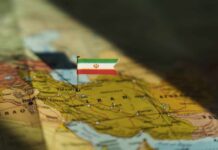

An alleged diplomatic overture from Iran is met with potential U.S. military action, raising tensions to new heights.
Story Highlights
- Iran reportedly seeks nuclear talks as the U.S. threatens military action.
- President Trump claims Iran initiated contact amid widespread protests.
- The U.S. weighs strong measures against Iran’s regime amid violent crackdowns.
Trump’s Assertion of Diplomatic Contact
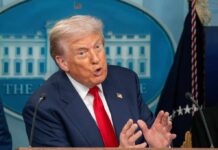
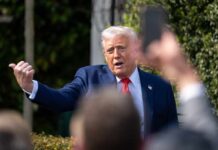
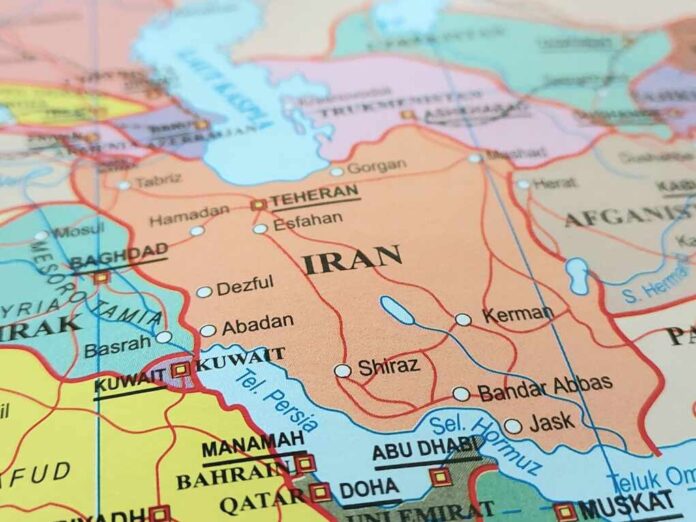
President Donald Trump recently claimed that Iranian authorities reached out to the U.S. to discuss possible nuclear talks. This statement, made aboard Air Force One, suggested that Iran is seeking to negotiate amidst a backdrop of large-scale protests and a violent crackdown within the country. The protests, driven by severe economic conditions and political repression, have led to significant casualties and detentions, with reports estimating over 1,000 deaths.
While Trump announced the potential for a meeting, he also warned that the U.S. might have to act before any diplomatic engagement occurs due to the escalating violence in Iran. As a result, the U.S. is considering a range of options, including possible military measures, to support the protesters and exert pressure on the Iranian regime.
Watch:
U.S. Response and Strategic Options
The U.S. administration, under Trump’s directive, is preparing for various scenarios in response to the situation in Iran. According to U.S. officials, the national security team is reviewing both kinetic and non-kinetic options, such as deploying an aircraft carrier strike group, initiating cyber operations, and enhancing information campaigns. These measures are intended to deter Iran from further aggression and to support the Iranian people’s quest for freedom.
Trump has also mentioned the possibility of involving tech entrepreneur Elon Musk to help restore internet access in Iran using Starlink, highlighting the fusion of technology, human rights, and foreign policy in addressing the crisis.
Potential Implications and Risks
The intertwining of potential negotiations with military threats creates a volatile environment, heightening the risk of miscalculation by the Iranian regime. While U.S. threats might embolden some protesters, they could also be used by the regime to justify more severe crackdowns under the guise of resisting foreign interference. Furthermore, the public framing of U.S. actions by Trump, which credits American pressure for Iran’s diplomatic overtures, may complicate Tehran’s ability to engage without losing face domestically.
Trump says Iran 'want to negotiate' and meeting 'being set up'https://t.co/Dmx1q2Z95C
— The Jordan Times (@jordantimes) January 12, 2026
In the long term, the resolution of this crisis could impact regional security dynamics, the future of nuclear non-proliferation efforts, and the internal stability of Iran. As the U.S. considers its next steps, the global community watches closely, aware that the outcomes could set significant precedents for how uprisings in authoritarian regimes are handled.
Sources:
Trump says Iran ‘wants to negotiate,’ reached out for possible nuclear talks
Trump says Iran proposed nuclear talks, as U.S. eyes military action over Tehran’s crackdown