A Paris court’s crackdown on cyberbullying highlights the growing tension between free speech and harmful disinformation.
Story Highlights
- Ten individuals convicted for cyberbullying France’s First Lady Brigitte Macron.
- False claims about Macron’s gender and relationship history fueled the case.
- Sentences include prison terms, social media bans, and compensation payments.
- The case reflects broader issues of disinformation and online harassment.
Court Ruling on Cyberbullying Case
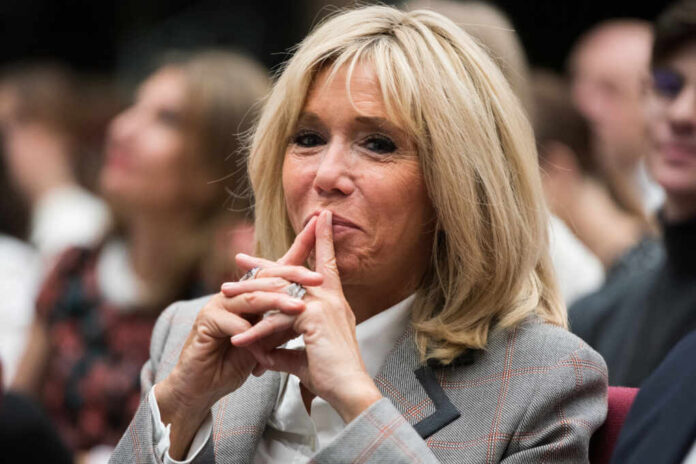
On January 5, 2026, a Paris court found ten individuals guilty of cyberbullying Brigitte Macron, the First Lady of France. The case centered around false claims that she was born male and other derogatory comments. This landmark decision includes various penalties, such as prison terms, suspended sentences, and mandatory social media suspensions.
Among the defendants was Delphine Jegousse, whose 2021 YouTube video played a significant role in spreading the false narrative. The court’s ruling reflects a broader attempt to curb disinformation and protect public figures from online harassment.
Watch:
Background of the Cyberbullying Campaign
The defamatory campaign against Brigitte Macron began in 2021, with conspiracy theories gaining traction in certain circles. The narratives were not only false but also malicious, aimed at undermining her reputation. The defendants argued their comments were humorous, but the court dismissed this defense, recognizing the harm caused by their actions.
Macron, a former teacher, has long faced scrutiny due to her marriage to President Emmanuel Macron, who is 24 years her junior. This case is a significant step in addressing the balance between free speech and protecting individuals from targeted disinformation.
Implications of the Ruling
The court’s decision sets a precedent for future cases involving online harassment and disinformation. By imposing strict penalties, it sends a clear message about the legal consequences of spreading false and defamatory information online. While this may deter similar actions in the short term, it also raises important questions about the limits of free speech and how societies can effectively combat harmful online behavior.
The affected individuals, including Brigitte Macron, have received moral and legal support, but the broader impact on online discourse remains to be seen. The ruling highlights the importance of holding individuals accountable for their online actions, particularly when they involve public figures.
Sources:
10 People Found Guilty of Cyberbullying France’s First Lady Brigitte Macron over Gender and Sexuality Claims
Brigitte Macron Cyberbullying Convictions for Gender Claims — Advocate