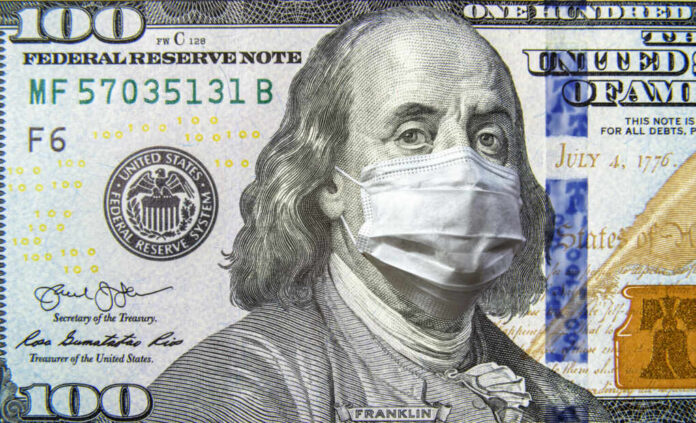
Millions of Americans are discovering that “Affordable” Care Act plans are no longer affordable, and many are quietly joining the ranks of the uninsured.
Story Snapshot
- Enhanced Obamacare subsidies expired after 2025, causing steep premium spikes for 2026 plans.
- Nonpartisan estimates predict around 4 million more people will end up uninsured if Congress does nothing.
- Middle‑class families just over the income line are facing premium jumps of thousands of dollars a year.
- Both parties traded talking points while working Americans absorbed the rate shock and reduced coverage.
What Changed With Obamacare Costs in 2026
Enhanced discounts on Affordable Care Act marketplace plans, created during the pandemic, ended after 2025 because Congress did not extend them.[4] Those temporary subsidies, passed under earlier laws, had lowered what people paid each month and helped push marketplace enrollment above 24 million by 2025.[3] With the extra help gone, premiums for 2026 reverted to the older, less generous rules. Policy groups warn that, for many families, what they owe out of pocket has jumped by 25 percent to 100 percent.[5]
Think about a family of four making around $130,000 per year, a bit above the federal poverty cutoff where help phases out. One analysis found their monthly premium for a standard benchmark plan could leap from about $921 to nearly $2,000 in 2026, an increase of almost $12,900 a year.[1] For people already squeezed by housing, food, and taxes, that kind of jump is not a minor budget change. It is a breaking point that forces hard choices.
How Many People Are Losing Coverage, and Why It Matters
The Congressional Budget Office, which both parties rely on, estimates that allowing the enhanced subsidies to expire will raise the number of uninsured people by about 3.8 million per year from 2026 through 2034.[1] Other independent research groups project similar or even higher numbers, with some expecting up to 4.8 million more adults uninsured in 2026 alone.[1][5] When people lose coverage, hospitals and clinics see more unpaid bills, and analysts expect billions more in uncompensated care costs.[1]
In the run‑up to the change, health policy experts warned that millions who gained coverage thanks to the richer subsidies would be at risk once those subsidies vanished.[5] During 2023 and 2024, roughly 80 percent of people using the federal marketplace could find a plan for $10 a month or less because of the temporary credits.[5] Those low sticker prices helped people on both the left and right feel, for once, that the system was sort of working. Now many of those same families are getting renewal notices that look nothing like the promises they heard from Washington.
Who Gets Hit Hardest by the New Premium Shock
The pain does not fall evenly. Analyses show that older adults with incomes above four times the poverty level, middle‑income families in the 400 percent to 500 percent range, and people in rural states face some of the largest jumps.[3] In some rural areas, premiums for common marketplace plans could climb from around $760 to well over $3,000 a month.[3] Policy groups also expect uninsured rates to rise more in rural states, where incomes are lower and there are fewer job‑based coverage options.[3]
Lower‑income people still receive some help, but even they will pay more than they did under the enhanced subsidies. One estimate projects average yearly premium increases of several hundred dollars for people below 150 percent of the federal poverty level, and much larger hikes for those above 400 percent of that line.[5] For families who live paycheck to paycheck, that can mean skipping doctor visits, cutting back on necessary medicines, or dropping coverage completely. Their stories fuel the sense that the system is rigged for insurers and lobbyists, not patients.
Why Both Sides Blame Each Other While Families Pay More
Republicans argue that the enhanced subsidies were too costly and that taxpayers cannot keep writing bigger checks to insurance companies forever.[2] They point to federal spending on Affordable Care Act subsidies rising from tens of billions of dollars in 2014 to well over one hundred billion dollars by 2025.[2] Fiscal watchdogs warn that every extra dollar spent this way is either borrowed from future generations or taken from other programs that many Americans also rely on.[2]
“Florida ranks 44th of 50 states in healthcare access and affordability, and #10 of 12 among SE states
The same report ranks Fl 49th of 50 for avoidable hospital use and costs.
A hospital stay in our state costs an average of $3,060 per day before any procedures
Fl has 320…
— CathyNotToday2 🌿 (@Cathy2NotToday) June 11, 2026
Democrats and many health advocates counter that letting the subsidies lapse is a hidden cut that makes insurance unaffordable for working families.[5] They note that the enhanced credits helped millions of previously uninsured people gain coverage between 2021 and 2025.[5] From this view, Washington chose budget targets and partisan talking points over real lives, even though both parties knew that millions would likely drop coverage once the extra help disappeared.[5] The fight leaves everyday people feeling like pawns in someone else’s game.
What This Says About the Bigger System
The deeper problem is how fragile coverage has become for people who do not qualify for Medicaid and do not have generous employer plans. Detailed analyses show that marketplace affordability depends almost entirely on how Congress draws a few lines on a chart: subsidy levels, income cutoffs, and benchmark plan rules.[2][6] When those lines move, millions of families move with them, often against their will. That is why experts describe the current moment as a “coverage cliff,” not a gentle slope.[6]
For many Americans across the political spectrum, the message is clear. Health insurance, something tied to basic dignity and security, now feels like a temporary coupon that Washington can cancel in any election year. Conservatives see proof that complex federal schemes break their promises and reward big insurers. Liberals see proof that leaders will protect corporate profits before protecting patients. Both see a government that reacts to lobbyists faster than to families who just lost the doctor they trusted. In that sense, the newly uninsured are far from alone.
Sources:
[1] Web – They’re uninsured after Obamacare became too costly. They’re far from …
[2] Web – STATEMENT: New Data Shows Families Nationwide Forced to Drop …
[3] Web – Why are expiring ACA subsidies raising health insurance premiums?
[4] Web – How Undoing ACA Affects Health Care – Commonwealth Fund
[5] Web – 1 in 10 ACA enrollees dropped their coverage due to rising health …
[6] YouTube – Millions at Risk: The Coming ACA Coverage Crisis