Congress’s immigration standoff has turned airport security into collateral damage—forcing TSA officers to work unpaid while spring-break travelers brace for hours-long lines.
Story Snapshot
- A partial DHS shutdown has left TSA officers working without pay for more than 30 days as Congress remains deadlocked.
- DHS reported more than 300 TSA employees have quit and worker call-outs have doubled, contributing to worsening airport lines.
- Airline CEOs publicly urged Congress to restore DHS funding and backed proposals aimed at preventing future pay lapses.
- TSA union leaders warned the shutdown is squeezing families financially while also creating operational and security strain.
Unpaid “Essential” Work Is Driving Longer Lines and Staff Losses
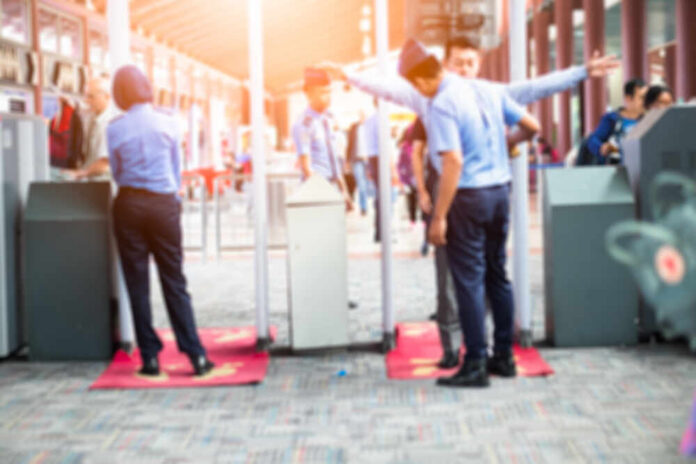
DHS’s partial shutdown has kept TSA screening operations running while many officers go without pay, a situation that has now stretched beyond 30 days. DHS said more than 300 TSA workers have quit during the lapse, while call-outs have doubled—two trends that predictably slow checkpoint throughput. Airports including Reagan National and Atlanta’s Hartsfield-Jackson have seen lines swell during peak travel as staffing gaps meet heavy passenger volume.
The timing could hardly be worse for families trying to travel on a schedule and a budget. Airlines and airports plan staffing and gate operations around predictable screening capacity, but a prolonged pay disruption creates churn, absenteeism, and uneven lane coverage. Even when flights still depart, passengers absorb the cost in missed connections, extra childcare hours, and overnight stays—real-world consequences of Washington treating a core security workforce like a bargaining chip.
How the Immigration Fight Became a TSA Funding Crisis
The shutdown stalemate is rooted in a broader funding battle over immigration enforcement after fatal shootings in Minneapolis earlier in 2026. Democrats blocked DHS funding while pushing restrictions tied to ICE and CBP policies, while Republicans have argued for funding the department without those constraints. The result is a partial shutdown that hits TSA paychecks even as screening remains mandatory for public safety and national security operations.
This is not a one-off. The current episode is described as the third TSA funding lapse in less than a year, reinforcing a pattern that undermines workforce stability. TSA was created after 9/11 as part of the federal security posture, and the agency screens millions of passengers daily. When Congress repeatedly fails to fund DHS on time, the predictable outcome is burnout, attrition, and weaker resilience ahead of high-demand periods.
Airlines and Unions Unite: End the Stalemate, Guarantee Pay
Airline CEOs took the unusual step of publicly pressuring Congress to restore DHS funding, warning the impasse is already disrupting travel. Their message was not subtle: screening capacity is a foundational requirement for aviation to function, especially with spring travel surging and major events approaching. The executives also backed legislative ideas designed to prevent future shutdowns from cutting off pay for essential security personnel who are still required to report.
TSA union leaders made a parallel case focused on household harm and workplace strain. Union representatives described officers facing late bills, eviction pressure, and medical costs while being told to continue working. One union leader called the shutdown “unconstitutional,” reflecting the view that forcing labor without timely pay violates basic fairness and strains the civil-service compact. Another warned the operational impact is a “double-edged sword,” because staffing instability can collide with the mission of consistent security screening.
Why Conservatives See a Bigger Problem Than Travel Inconvenience
The facts on the ground show an avoidable failure of governance: a security agency kept running while its workforce is financially squeezed and airports bog down. From a limited-government perspective, repeated shutdown brinkmanship is the opposite of responsible budgeting because it creates downstream costs and dysfunction without solving the underlying dispute. From a security-first perspective, incentivizing quits and call-outs inside a screening workforce is a dangerous way to conduct political leverage.
https://twitter.com/NorCalCrush/status/2034794017217737044
What remains unclear is how quickly Congress will resolve the impasse and whether any pay-protection reforms will pass soon enough to prevent another repeat. No details on-the-record Democratic counterarguments in these specific accounts. For travelers, the practical advice is simple: expect longer lines, arrive earlier, and watch for last-minute airport staffing updates.
Sources:
https://www.foxbusiness.com/economy/tsa-union-leaders-demand-end-dhs-shutdown