When the Strait of Hormuz goes quiet, American families feel it at the pump—and this time the shutdown threat isn’t just tankers, but the Gulf’s oil production itself.
Quick Take
- Tanker traffic through the Strait of Hormuz has fallen to zero, leaving more than 150 ships stranded and exposing how fragile global energy shipping remains.
- Analysts warn a prolonged disruption could force Gulf producers to halt oil output as storage fills, turning a shipping crisis into a supply crisis.
- Qatar has halted LNG production under force majeure, adding pressure to global fuel markets beyond crude oil.
- Oil prices jumped sharply and shipping rates spiked to record levels, signaling higher costs that can feed inflation across consumer goods.
Strait Traffic Collapse Turns a Regional Clash Into a Global Energy Squeeze
U.S. and Israeli strikes on Iranian targets in late February triggered a fast-moving escalation that has now choked one of the world’s most important energy corridors. By March 1–2, ship transits through the Strait of Hormuz effectively stopped, with reports of multiple vessels struck and over 150 ships stranded. Even where U.S. officials dispute that Iran is “enforcing” a closure, the market reality is the same: commercial shipping is backing away.
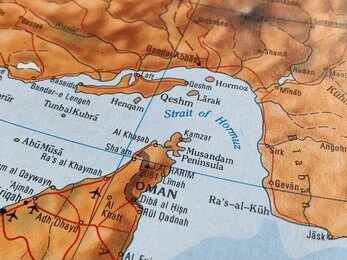
The Strait of Hormuz is a narrow chokepoint between Iran and Oman, yet it carries roughly one-fifth of global seaborne oil—about 20 million barrels per day—plus major LNG flows. Most of that crude heads to Asia, which means disruptions ripple outward into manufacturing, shipping, and consumer prices worldwide. For Americans who spent years watching inflation climb amid Washington’s spending and energy-policy confusion, the risk is clear: foreign instability can still punish household budgets.
Why “Stranded Tankers” Can Become “Forced Shut-In Production”
The immediate images—idled tankers and rerouted container ships—only capture the first phase of the disruption. A longer stoppage risks something more serious: producers themselves may be forced to stop pumping because storage fills up. Analysts have highlighted that if exports can’t move, onshore tanks and floating storage reach capacity, and wells may need to shut in. JPMorgan has warned that beyond roughly 25 days, output suspensions become likely.
This is the uncomfortable mechanics of energy reality that political talking points can’t wish away. Gulf producers have some workarounds—limited pipeline routes and alternative terminals—but not enough to replace Hormuz volumes at scale. That is why analysts at major firms have framed the scenario as a potential supply shock rather than a mere shipping delay. If supply is forced offline, prices can surge until demand is “destroyed” by cost, which is another way of saying families and businesses are priced out.
Shipping, Insurance, and LNG: The Cost Stack That Hits Consumers Fast
Freight markets have already flashed warning signs. Supertanker rates reportedly jumped to extreme levels, while LNG shipping costs also rose. Insurers have increased war-risk pricing, and some coverage has reportedly been pulled, which effectively dares shipping companies to transit a danger zone without protection. Major shipping firms have suspended or rerouted voyages, including routes around the Cape of Good Hope—longer trips that burn more fuel and delay deliveries.
The natural-gas side is especially sensitive because LNG is harder to replace quickly than oil barrels that can sometimes be re-sourced. Qatar, a top LNG supplier representing a significant share of global trade, has halted LNG output under force majeure amid the crisis. That matters for allies and trading partners, particularly in Europe and Asia, and it can tighten global energy balances even if crude supplies partially adjust. Higher transport and insurance costs typically show up downstream in heating, electricity, and goods.
Conflicting Claims on “Closure” Don’t Change the De Facto Shutdown
One point remains contested: whether Iran is actively enforcing a closure with mines and patrols, or whether risk alone has stopped ships from transiting. U.S. Central Command has disputed the idea of a fully enforced blockade and has indicated no confirmed mining in the waterway, while Iranian-linked statements have threatened attacks on vessels attempting to cross. For markets, the distinction is academic if shipowners refuse to sail or insurers refuse to cover.
Another constraint sits on Tehran’s side as well. Reporting indicates Iran relies on the strait for a large share of its own exports, including flows to China, which can limit how far Iran goes if it wants revenue and leverage. That means the situation could remain unstable and unpredictable rather than “resolved,” with intermittent threats, sporadic attacks, and elevated risk premiums. For Americans, the lesson is that energy independence and resilient supply chains aren’t slogans—they are insulation.
What This Means for the U.S. in 2026 Under Trump: Energy Security vs. Inflation Pressure
Oil prices have already reacted, and analysts have openly discussed the possibility of further spikes if the disruption persists. Higher crude typically filters into gasoline and diesel, and then into shipping and food costs. U.S. producers can benefit from higher prices, but that doesn’t automatically protect consumers—especially if global shipping disruptions intensify. Policymakers face a narrow path: keep sea lanes secure, avoid unnecessary economic spillover, and maintain a posture that deters escalation.
The uncomfortable truth is that globalism’s energy choke points still matter, no matter how many elites once pretended the U.S. could regulate its way into painless “transitions.” When a single strait can idle fleets, spike freight rates, and threaten to shut in production, the downstream effect is higher costs and higher uncertainty. The early data points—zero transits, stranded ships, surging rates, and LNG disruption—suggest this crisis is not a headline that fades on its own.