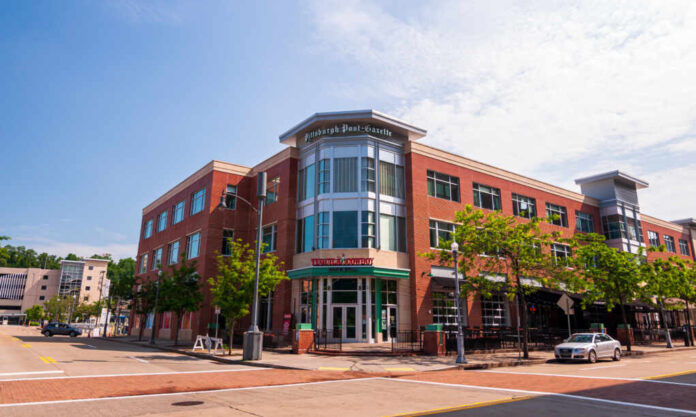
A 240‑year-old Pennsylvania newspaper is shutting down in May after years of blue‑state mismanagement and weaponized labor rules finally made local journalism financially impossible.
Story Snapshot
- Pittsburgh Post-Gazette will cease all print and digital operations with a final edition on May 3 after nearly 240 years.
- Ownership cites more than $350 million in operating losses and court-ordered labor costs as the final straw.
- The shutdown follows a three-year strike, repeated labor-law rulings, and a Supreme Court defeat.
- Pittsburgh now faces a looming local news vacuum as another major outlet, Pittsburgh City Paper, also closes.
Historic Pittsburgh Institution Forced Into Final Edition
On a January Wednesday in 2026, Block Communications Inc., the longtime owner of the Pittsburgh Post-Gazette, told readers the paper will publish its final edition on May 3 and then shut down entirely. The move ends nearly 240 years of continuous publication tracing back to 1786, making the Post-Gazette one of America’s oldest newspapers. Management framed the decision as unavoidable, pointing to years of heavy losses and escalating labor obligations in a hostile media and regulatory environment.
The announcement did not come in a town hall or open staff meeting but via a prerecorded Zoom message, underscoring how strained relations had become between ownership and workers. Journalists and staff learned that both print and digital operations will cease on the same May date, with no transition to a leaner online-only operation and no announced buyer. For residents of western Pennsylvania, the decision signals a hard stop, not a rebranding, for a key watchdog of local government and business.
Watch:
Decades of Red Ink, Then a Wall of Labor Rulings
Block Communications says it has poured more than $350 million in cash into the Post-Gazette over the last twenty years, only to see operating losses mount. Those years coincided with industry-wide revenue collapse as advertising migrated to Big Tech, but also with an aggressive regulatory and union environment that left legacy outlets squeezed from both sides. Management argues that a 2014 collective bargaining agreement, which courts effectively revived, no longer fit the economic reality of modern print and digital publishing.
The legal fight began in earnest after management tore up that contract in 2020 and imposed new rules and health plans, a step later judged unlawful. Unionized editorial staff walked out in October 2022, launching a three-year strike that kept tensions high while the paper tried to publish with replacement workers and reduced capacity. Administrative judges, the National Labor Relations Board, and the Third Circuit Court of Appeals repeatedly sided with the union, ordering restoration of contract terms, health benefits, and back pay.
Supreme Court Loss Triggers Immediate Shutdown Call
The final domino fell when the U.S. Supreme Court refused to block a lower-court injunction requiring the company to reinstate the old health-care plan and comply fully with the NLRB’s broader decision. That morning ruling meant the Post-Gazette had to start shouldering higher benefit costs and undo years of unilateral changes. Within hours, Block Communications publicly announced the coming closure, stressing that the added mandates made continued operation unsustainable after years of absorbing losses.
Pittsburgh Faces a Local News Vacuum and Power Shift
The Post-Gazette’s demise comes just as another key outlet, Pittsburgh City Paper, also announced its own closure, compounding fears that a major American city is sliding toward a local news desert. With both a legacy daily and an alternative weekly vanishing, coverage of city hall, school boards, courts, and neighborhood issues will likely shrink sharply. That vacuum weakens day-to-day accountability for local officials and leaves citizens more dependent on distant national outlets that often ignore or distort local concerns.
Pittsburgh Post-Gazette ownership announces it's shutting down paper in May https://t.co/D0XxLwUe2x
— EYEWITNESS NEWS (@cnyhomepage) January 8, 2026
For constitutional conservatives, the story is a warning about what happens when layered regulation, aggressive union litigation, and long-running blue-state economic policies collide with a fragile industry. When legal mandates pile onto already thin margins, owners eventually choose survival of the parent company over saving a struggling property, no matter how historic. The result for ordinary readers is fewer independent voices, less scrutiny of government, and more room for entrenched interests to operate without sunlight.
Sources:
Pittsburgh Post-Gazette owners couldn’t bust the union, so they shut down the paper
Pittsburgh Post-Gazette to close after 239 years following union dispute
Why Is the Pittsburgh Post-Gazette Closing?
History of the Pittsburgh Post-Gazette after ownership announces closure
Post-Gazette to publish final edition and cease operations on May 3