A deadly explosion at a Pennsylvania nursing home has raised urgent questions about safety, accountability, and how vulnerable seniors were left exposed.
Story Snapshot
- A powerful explosion at a Pennsylvania nursing home killed two people and injured at least 20 more.
- Investigators are combing through wreckage amid questions about safety protocols and facility oversight.
- The blast collapsed part of the building, trapping vulnerable seniors and staff in a scene of chaos.
- The tragedy highlights how fragile long-term care safety standards can be when bureaucracy replaces common sense.
Deadly Blast Rocks Pennsylvania Nursing Home
Construction crews in Pennsylvania spent Wednesday clearing the shattered remains of a nursing home that was partly leveled by a powerful explosion, killing two people and sending at least 20 others to the hospital. The blast tore through the facility with such force that part of the building collapsed, leaving residents and staff scrambling for their lives as flames shot from the structure. Emergency responders rushed in, pulling survivors from rubble that looked more like a war zone than a care center.
Local officials described a chaotic, fast-moving scene as fire crews battled intense flames while medical teams treated elderly residents suffering burns, smoke inhalation, and trauma. The explosion did not just damage walls and windows; it ripped apart a place families trusted to protect their loved ones. For many relatives, the painful question now is how a supposedly regulated facility caring for frail seniors could become the site of such catastrophic destruction in a matter of seconds.
Watch:
Investigators Search for Causes and Accountability
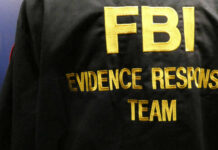
Investigators are now sifting carefully through the wreckage, looking for the cause of the explosion and any warning signs that may have been missed. Crews are examining gas lines, mechanical systems, and structural damage while reviewing maintenance records and prior inspections. Officials must determine whether this was a tragic accident or the result of deeper neglect, oversight breakdowns, or delayed repairs. Every discovered fragment and twisted pipe becomes potential evidence in understanding why this building failed so catastrophically.
Families and community members are demanding answers about what safeguards were in place to protect residents from exactly this type of disaster. They want to know whether alarms functioned, evacuation plans were current, and staff had recent emergency training. Years of expanding regulation have not always translated into real-world safety, and this tragedy puts that gap in stark relief. People trusted that layers of bureaucracy would mean stronger protections; instead, they are now confronting the reality that paperwork does not stop explosions.
Long-Term Care Safety and Government Oversight Under Scrutiny
Long-term care facilities operate under complex webs of federal, state, and local rules that often emphasize documentation and compliance forms over hands-on prevention and infrastructure upgrades. Many conservative critics argue that previous administrations focused on checklist regulation while failing to ensure that critical systems like gas lines, ventilation, and fire protection were modernized and inspected with rigor. When an explosion brings down part of a nursing home, it exposes how fragile and uneven these safety regimes can be on the ground.
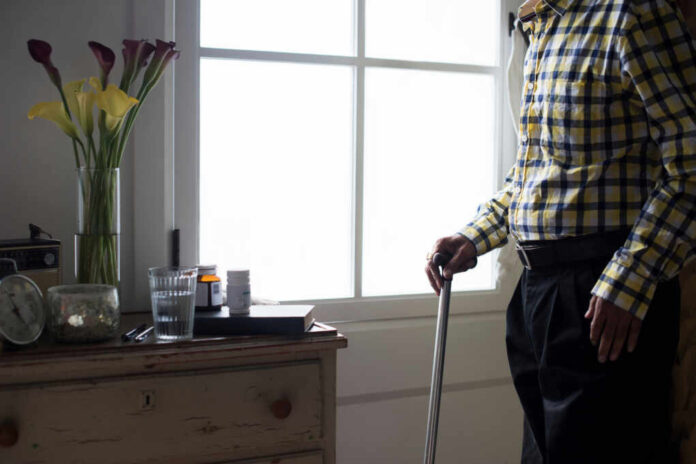
Residents in facilities like this are among the least able to protect themselves, making it essential that emergency systems work flawlessly. If investigators find that aging infrastructure, ignored alerts, or slow-walked repairs contributed, it will reinforce concerns that bureaucracy and mismanagement can become life-threatening.
What This Tragedy Signals for Policy and Conservative Priorities
This Pennsylvania disaster underscores a principle many conservatives emphasize: the government’s first duty is to protect life, liberty, and property, not to expand fashionable agendas or micromanage daily life. When seniors die in an explosion at a regulated facility, it raises doubts about whether regulators have been focused on the right things. Instead of devoting time and resources to ideological mandates, leaders must ensure that essential safeguards at nursing homes, hospitals, and critical infrastructure are properly enforced and regularly tested.
As investigators continue their work, the priority must be truth, accountability, and reform that strengthens real safety rather than adding more hollow requirements. Families deserve transparent answers about what went wrong and how similar facilities nationwide will be reviewed to prevent another catastrophe.