Xi Jinping’s unprecedented military purge exposes deep corruption within China’s highest-ranking generals.
Story Overview
- China expelled nine top military officials, including third-ranking CMC vice chairman He Weidong, for corruption
- Xi Jinping’s anti-corruption campaign targets his own allies, demonstrating ruthless power consolidation tactics
- The purge represents rare public disclosure against top military brass ahead of key Communist Party meetings
- Military prosecution will investigate expelled officials for criminal offenses beyond party violations
Communist Party Purges Top Military Leadership
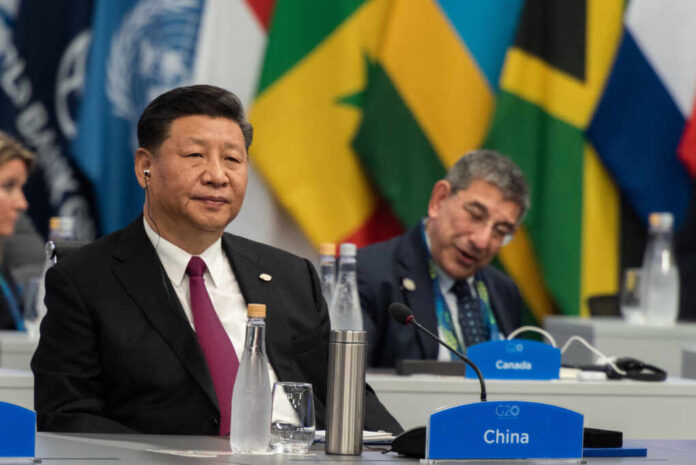
China’s Ministry of National Defense announced the expulsion of nine high-ranking military officials in October 2025, marking a significant escalation in Xi Jinping’s anti-corruption campaign. The expelled officers include He Weidong, the third-ranking vice chairman of the Central Military Commission, and Miao Hua, former head of the Political Work Department. He Weidong disappeared from public view in August 2025, signaling the investigation’s severity. This rare public disclosure demonstrates the Communist regime’s willingness to sacrifice even top-tier leadership to maintain party discipline.
🇨🇳 China said it has launched corruption investigations into its number two general and eight other high-ranking military officials, marking the latest push under President Xi Jinping to root out graft ➡️ https://t.co/V8nJJ3NfpC pic.twitter.com/jR6ykO1oov
— AFP News Agency (@AFP) October 17, 2025
The timing proves particularly significant as it precedes a crucial Communist Party plenary session discussing China’s new five-year economic plan. Xi Jinping’s decision to purge military leadership during this critical period reveals his prioritization of absolute control over institutional stability. The expelled officials face charges of violating party discipline and committing duty-related crimes, with military prosecutors preparing criminal investigations. This systematic dismantling of military hierarchy demonstrates the Communist Party’s authoritarian grip over China’s armed forces.
Watch: China Probes Top Military General, Punishes 9 Senior Officers in Latest Corruption Crackdown | WION
Authoritarian Control Over Military Command Structure
China’s military operates under direct Communist Party control rather than governmental oversight, highlighting the regime’s totalitarian structure that Americans should recognize as antithetical to constitutional governance. Xi Jinping has wielded this system since 2013 to conduct massive purges across military and civilian leadership. The Central Military Commission serves as the party’s primary tool for military control, bypassing traditional governmental checks and balances. This concentration of power in a single party leader represents the exact tyrannical system America’s founders designed the Constitution to prevent.
Strategic Implications for American Security Interests
Short-term disruptions may temporarily weaken China’s military cohesion, but long-term consolidation could produce a more disciplined force under unified command. American defense planners must assess how this internal restructuring affects China’s military capabilities and regional ambitions. The purge signals Xi’s determination to eliminate any potential opposition within military ranks before pursuing aggressive foreign policy objectives.
China’s anti-corruption campaign serves dual purposes of eliminating genuine corruption while removing potential threats to Xi’s authority. This systematic elimination of dissent within military leadership demonstrates the regime’s paranoia about internal challenges to Communist Party rule. The broader implications suggest increased authoritarianism and reduced institutional constraints on Xi’s decision-making process. Americans should recognize these developments as warnings about unchecked government power and appreciate constitutional safeguards that prevent such concentrated authority in democratic systems.
Sources:
China Punishes 9 Military Officials for Graft, Top General Under Probe
China Expels Top Military Officials in Widening Corruption Crackdown
China President Fires 9 Military Officers for Corruption