Massive new study exposes cannabis as ineffective for treating anxiety, depression, or PTSD, validating conservative warnings against rushed legalization and Big Pharma alternatives to proven therapies.
Story Highlights
- University of Sydney review of 50+ RCTs over 45 years finds zero high-quality evidence cannabis helps top mental health issues like anxiety, depression, PTSD.
- President Trump’s signals to review Schedule I status could finally enable real research, cutting through federal barriers that blocked science for decades.
- Data scarcity called “embarrassing”; public use outpaces facts, risking vulnerable Americans especially youth prone to psychosis.
- Industry faces hit to $30B market; clinicians urged caution on unproven prescribing amid illicit alternatives.
Study Details Reveal Evidence Void
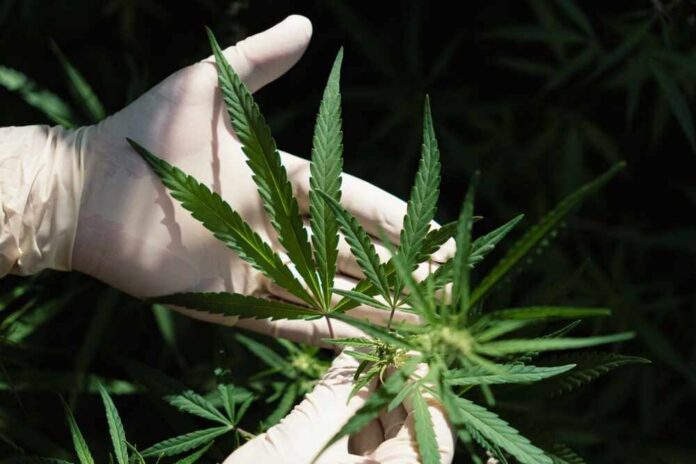
Researchers at the Matilda Centre for Research in Mental Health and Substance Use, University of Sydney, published a systematic review in The Lancet Psychiatry in March 2026. The analysis examined over 50 randomized controlled trials spanning 45 years with nearly 2,500 patients. It found no high-quality evidence that cannabis treats anxiety, depression, or PTSD symptoms. These conditions drive most medical marijuana use. Lead author Jack Wilson stated routine use rarely justified without data.
Federal Barriers Hindered Research for Decades
U.S. federal Schedule I classification since 1970 blocked rigorous trials through funding and access limits, despite 38+ states legalizing by 2026. Modern research surged after California’s 1996 medical law, but high-quality RCTs lagged. President Trump recently signaled Schedule I review, potentially unlocking studies. This aligns with conservative priorities for evidence-based policy over hasty liberalization that outpaced science.
Risks Outweigh Unproven Benefits for Families
Prior studies link early cannabis use to psychosis, especially schizophrenia risks in youth. A Yale study tied cannabis use disorder to higher PTSD and psychiatric issues, critiquing unproven prescriptions. The Lancet review noted limited low-quality evidence for insomnia, autism, Tourette’s, but emphasized gaps. Experts like Ryan Vandrey called data collection embarrassing, with some patients worsening. This underscores protecting families from government-enabled overreach into untested remedies.
Joel Gelernter from Yale asserted cannabis more likely causes PTSD than treats it. Ziva Cooper highlighted CBD promise but urged broader evidence. Consensus holds no strong proof for core conditions, with high-THC risks for vulnerable groups.
Impacts Signal Policy Shifts Ahead
Short-term, the study prompts clinician caution and slows unproven prescribing. Long-term, it drives calls for funded RCTs and reshapes guidelines. Economically, it challenges the $30B U.S. cannabis market’s mental health segment. Socially, it counters natural remedy myths. Politically, it bolsters reforms amid legalization, favoring proven therapies over industry hype. Vulnerable patients and youth gain risk warnings as clinicians weigh illicit use.
Academics like Vandrey note review limits, such as excluding observational data, but agree on paucity. This complements a recent JAMA Internal Medicine review warning risks for adolescents and psychosis-prone. With Trump’s administration prioritizing fiscal discipline, expect momentum toward science-driven cannabis policy.
Sources:
Sparse evidence for cannabis to treat mental health conditions highlights research gap
2018 PMC commentary on psychosis risks from youth/medical cannabis
Yale study linking cannabis use disorder to higher PTSD/psychiatric risks